
 Inquiry

 English
 中文简体
中文简体 Deutsch
- Type:
- Industry News
- Date
- 2026-Jan-15
Industry News
Why is a wire kennel cover Essential for Dog Training?
Content
In the professional landscape of canine management and husbandry, the efficacy of crate training hinges on environmental control. While the structural integrity of the enclosure is paramount, the psychological impact of the kennel's environment is often underestimated. As a dedicated manufacturer specializing in high-quality textile solutions for the pet industry, we understand that a wire kennel cover is not merely an accessory but a critical component in behavioral modification protocols. It functions as a variable control mechanism, transforming an exposed wire mesh structure into a secure, den-like sanctuary that aligns with a canine's ethological needs.
The Science of "Denning": Why Dogs Need Coverage
From an engineering and behavioral standpoint, the "denning instinct" is a hard-wired evolutionary trait in canines. In the wild, enclosed spaces offer protection from predators and environmental extremes, creating a zone of psychological safety. An open wire kennel, while providing physical containment, leaves the dog in a state of constant visual alertness. This perpetual exposure to environmental stimuli can inhibit the release of melatonin and elevate cortisol levels, counteracting the relaxation required for effective training.
Utilizing a wire kennel cover effectively simulates the structural opacity of a natural den. By limiting the field of vision, we reduce the cognitive load on the animal, allowing the parasympathetic nervous system to engage. This physiological shift is the foundation of successful crate training, where the association between the enclosure and safety is reinforced through environmental isolation.
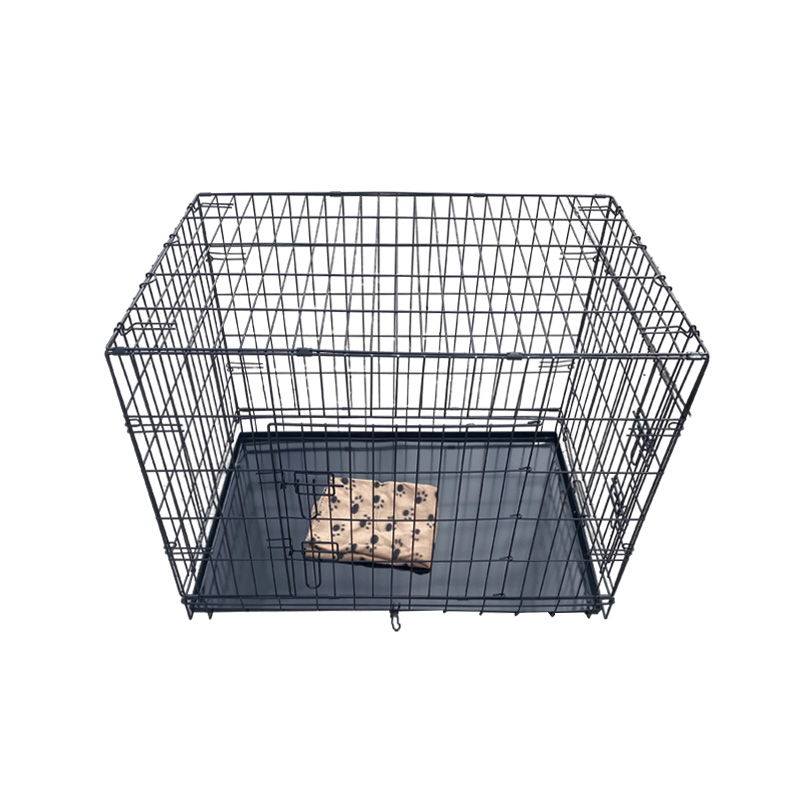
Open vs. Covered Kennel Environments
To visualize the impact of kennel coverage on training outcomes, we must compare the environmental stressors present in both configurations.
| Factor | Open Wire Kennel | Covered Wire Kennel |
| Visual Stimulation | High; constant exposure to movement and shadows. | Low; visual barriers reduce triggers for reactivity. |
| Thermal Regulation | Poor; heat dissipates quickly, drafts affect the dog. | Improved; fabric creates an insulating air barrier. |
| Security Perception | Low; animal feels vulnerable from 360 degrees. | High; animal feels concealed and protected. |
| Training Focus | Fragile; easily distracted by household activity. | Robust; promotes mental rest and faster recovery. |
Enhancing Focus: Reducing Visual Distractions During Training Sessions
For professional trainers and high-volume kennel operations, the ability to dictate the dog's sensory input is vital. Training requires a high degree of impulse control, which is mentally fatiguing for the animal. When a dog is housed in an uncovered crate within a busy facility or home, they are often forced to process "visual noise"—such as foot traffic, other animals, or cleaning equipment—which drains their mental energy.
Implementing a wire kennel cover creates a "sensory deprivation bubble" that aids in recovery between training sessions. By removing visual distractions, the dog is conditioned to settle down faster. This is particularly crucial for service dog training and working dog programs where calmness in chaotic environments is a required competency. The cover acts as an "off switch," teaching the dog that the crate is for disengagement from the environment, rather than interaction with it.
Beyond Basic Fabric: Selecting Engineering-Grade Solutions
While the function of the cover is psychological, its physical construction must withstand the rigors of daily use. As a manufacturer, we prioritize material durability and functionality. The market offers a spectrum of specialized textiles designed for specific operational needs.
1. Durability and Chew Resistance
In high-stress environments or with working breeds, fabric degradation is a significant concern. Standard fabrics may succumb to clawing or chewing, leading to ingestion risks and product failure. This is where the specification of a heavy duty wire kennel cover becomes relevant. These units typically utilize high-denier ballistic nylon or reinforced polyester fabrics with double-stitched seams. The material selection process focuses on tensile strength and tear resistance, ensuring that the cover acts as a durable barrier rather than a weak point in the containment strategy.
2. Seasonal Thermal Management
Thermoregulation is a critical factor in animal welfare. An unprotected wire kennel offers minimal insulation against ambient temperatures. According to the 2024 Pet Industry Standards Overview by the American Pet Products Association (APPA), advancements in pet textile technology are increasingly focused on thermal regulation and ergonomic design to enhance animal well-being in varying climates.
Source: American Pet Products Association (APPA) - 2024 Industry Trends
For operations located in regions experiencing harsh winters, an insulated winter wire kennel cover is not a luxury but a necessity. These covers often incorporate thermal linings or reflective materials that retain the animal's body heat. By creating a thermal barrier, these covers prevent hypothermia risks and ensure that the dog remains comfortable without the need for excessive external heating, which can be a fire hazard.
3. Protection Against Elements and Liquids
Sanitation and moisture control are paramount in kennel hygiene. Outdoor kennels or indoor setups where accidents occur require fabrics that repel liquids. A water resistant wire kennel cover is typically treated with durable water repellent (DWR) coatings or constructed from laminated textiles. This technology prevents urine, rain, or cleaning fluids from soaking into the fabric, thereby inhibiting the growth of mold and bacteria and extending the lifespan of the product.
4. Functional Integration and Storage
Efficiency in facility management is driven by organization. Modern kennel covers are increasingly designed with utility in mind. A wire kennel cover with storage pocket integrates a cargo solution directly into the textile architecture. This allows trainers and staff to keep leashes, clickers, grooming tools, and veterinary records accessible yet out of the dog's reach. This design element reduces clutter and streamlines the training workflow by ensuring essential equipment is always adjacent to the specific housing unit.
5. Precision Fit and Standardization
Mass-produced kennels often adhere to standard dimensions, but custom fabrication and slight variations in manufacturing can lead to ill-fitting covers. A cover that is too loose poses a strangulation risk, while one that is too tight will not function correctly. For B2B clients requiring specific SKU integration, a custom size wire kennel cover offers the necessary precision. Custom tailoring ensures that the Velcro or strap attachment points align perfectly with the frame geometry, maximizing the cover's stability and the overall aesthetic of the kennel block.
Temperature Control and Safety Considerations
While covering a kennel provides significant benefits, it introduces a variable that must be managed: airflow restriction. Engineers and facility managers must ensure that ventilation is not compromised. The design of a high-quality wire kennel cover incorporates breathable mesh panels or roll-up flaps that allow for air exchange while maintaining privacy.
Safety protocols dictate that covers must be secured to the frame to prevent ingestion or entanglement. This is achieved through robust attachment systems—typically hook-and-loop fasteners or elastic straps with high-tensile strength. Furthermore, temperature monitoring is essential; the microclimate inside a covered kennel can rise several degrees above ambient temperature. Automated climate control systems in modern facilities should be calibrated to account for this insulation effect, ensuring the animal's safety is never compromised for the sake of quietness.
Conclusion
The wire kennel cover is a sophisticated tool that bridges the gap between behavioral psychology and textile engineering. It is essential for creating the controlled environment necessary for effective dog training. By mitigating visual distractions, providing thermal insulation, and offering a sense of security, covers allow dogs to recharge and focus. For our B2B partners, selecting the right specification—whether that be heavy duty construction, insulated fabrics, or custom sizing—is an investment in the efficacy of your training programs and the welfare of the animals in your care.
Frequently Asked Questions (FAQ)
- Q1: How does a wire kennel cover specifically help with separation anxiety?
A: It limits the dog's visual field, reducing the stimulation from the owner's departure and preventing the dog from becoming over-aroused by external movements. - Q2: Can a wire kennel cover be used on outdoor kennels year-round?
A: Yes, provided you use the appropriate material, such as a water resistant wire kennel cover for rain or an insulated winter wire kennel cover for cold weather, while ensuring proper ventilation. - Q3: What is the benefit of a cover with storage pockets?
A: A wire kennel cover with storage pocket keeps essential training tools like leashes and treats organized and immediately accessible, improving workflow efficiency for trainers. - Q4: Are custom size covers necessary for commercial kennels?
A: While many covers are adjustable, a custom size wire kennel cover ensures a perfect fit for non-standard crates, eliminating safety hazards associated with loose fabric and improving overall aesthetics. - Q5: How durable are heavy duty kennel covers against chewing?
A: A heavy duty wire kennel cover is manufactured from high-strength, abrasion-resistant fabrics designed to withstand scratching and light chewing, significantly outlasting standard polyester materials.



Nantong Dihang Metal Products Co., Ltd.
Product Center
Contact Us
- +86-15262716185
- [email protected]
- Group 1, Guzhuang Village, Qutang Town, Haian Country, Nantong, Jiangsu, China
Copyright © 2023 Nantong Dihang Metal Products Co., Ltd. All Rights Reserved.
