
 Inquiry

 English
 中文简体
中文简体 Deutsch
- Type:
- Industry News
- Date
- 2026-Jan-22
Industry News
What Are the Key Benefits of Using a Dog Fence for Pet Safety?
Content
At our company, we specialize in designing and supplying professional pet containment and safety solutions. In today’s pet‑centric world, ensuring that dogs are securely contained and protected is a top priority for both residential and commercial environments. A well‑implemented Dog Fence can dramatically reduce escape incidents, minimize risk of injury, and support structured training. This article explores the core advantages of a dog fence, tailored solutions for different dog sizes, installation insights, training approaches, safety guidelines, and cost‑effective backyard options.
Introduction
According to the latest report by DataHorizzon Research, the global pet invisible fence market was valued at approximately USD 1.4 billion in 2024 and is projected to more than double by 2033 due to increasing emphasis on pet safety and the adoption of wireless and GPS‑enabled containment technologies.
Source: Pet Invisible Fence Market Size & Analysis Report
These trends reflect a broader industry move toward more effective and humane containment systems that help ensure dogs remain within secure boundaries while still experiencing freedom of movement within their yard or designated space. With options ranging from traditional buried wires to wireless and smart GPS solutions, a dog fence plays an essential role in modern pet safety.
1. Best Dog Fence for Large Dogs
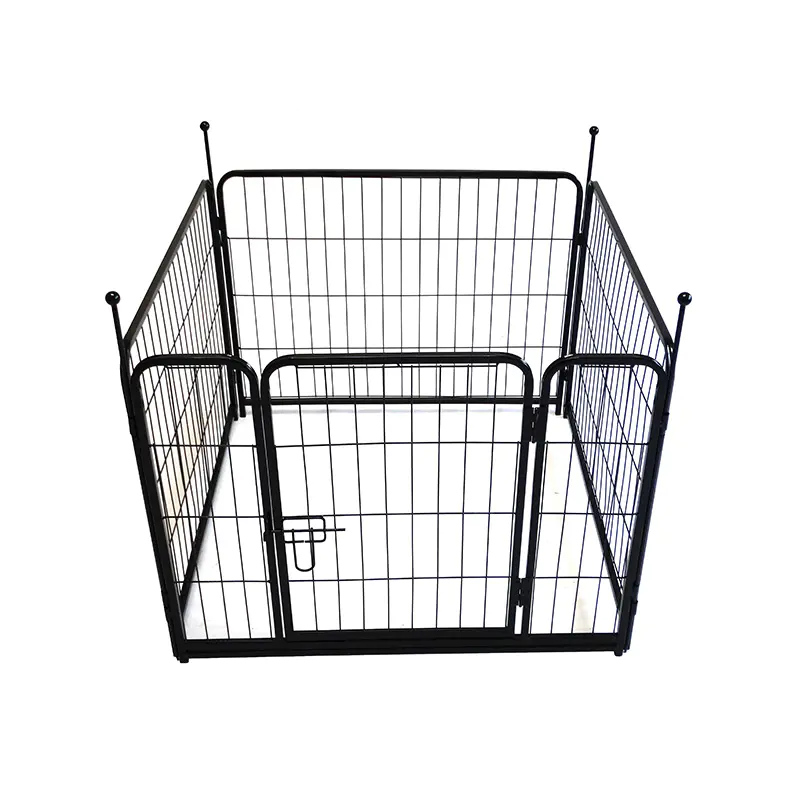
Large dogs exert greater force on containment systems due to their size, strength, and activity levels. A properly engineered fence must account for higher tensile loads, structural stability, and resistance to digging or jumping attempts. best dog fence for large dogs prioritizes rugged materials, secure anchoring, and advanced containment logic to reduce the likelihood of escapes.
- Robust wire or solid panel materials designed for dogs over 50 lbs.
- Secure anchoring systems to prevent undercutting or digging out.
- Sufficient height (typically 4 ft or more) to deter jumping.
2. Wireless Dog Fence Installation Tips
Wireless fences offer flexible installation without the need for trenching or buried wires. As a result, they are ideal for varied property shapes and rental spaces. However, proper setup is critical to ensure reliable containment coverage.
- Select a location with minimal signal interference from metal structures.
- Define the radius of coverage larger than your usable yard area to avoid blind spots.
- Install the transmitter at a central and elevated point to improve signal propagation.
Understanding wireless dog fence installation tips can significantly shorten setup time while optimizing boundary reliability, especially in irregularly shaped yards.
3. Dog Fence Training Techniques for Puppies
Introducing a fence system requires behavioral conditioning so dogs understand and respect virtual boundaries. Puppies, in particular, benefit from structured training that emphasizes positive reinforcement rather than punishment.
- Start with short sessions near the boundary and reward compliance with treats or praise.
- Use gradual expansion of training areas to build confidence and understanding.
- Maintain consistency to reinforce boundary recognition over time.
Implementing effective dog fence training techniques for puppies not only improves containment success but also enhances overall behavior and confidence in young dogs.
4. Electric Dog Fence Safety Guidelines
Electric or electronic dog fences deliver alerts or low‑intensity corrections when pets approach boundary limits. While these systems can be highly effective, safety considerations must be addressed to avoid undue stress or harm.
E‑fences should be set up with adjustable correction levels suited to dog temperament and size. Safety guidelines typically recommend minimal, humane correction thresholds and supervision during initial training. Avoid using excessively high intensity, which can cause fear or aversion rather than reliable containment. Evaluation of collar comfort and regular checking of contact points can prevent irritation or injury.
| Safety Consideration | Recommended Practice |
| Correction Intensity | Adjust to the lowest effective level |
| Training Supervision | Always supervise early training sessions |
| Collar Fit | Ensure snug fit without discomfort |
Following electric dog fence safety guidelines reduces behavioral resistance and supports humane containment solutions for dogs of varying temperaments.
5. Affordable Dog Fence Options for Backyards
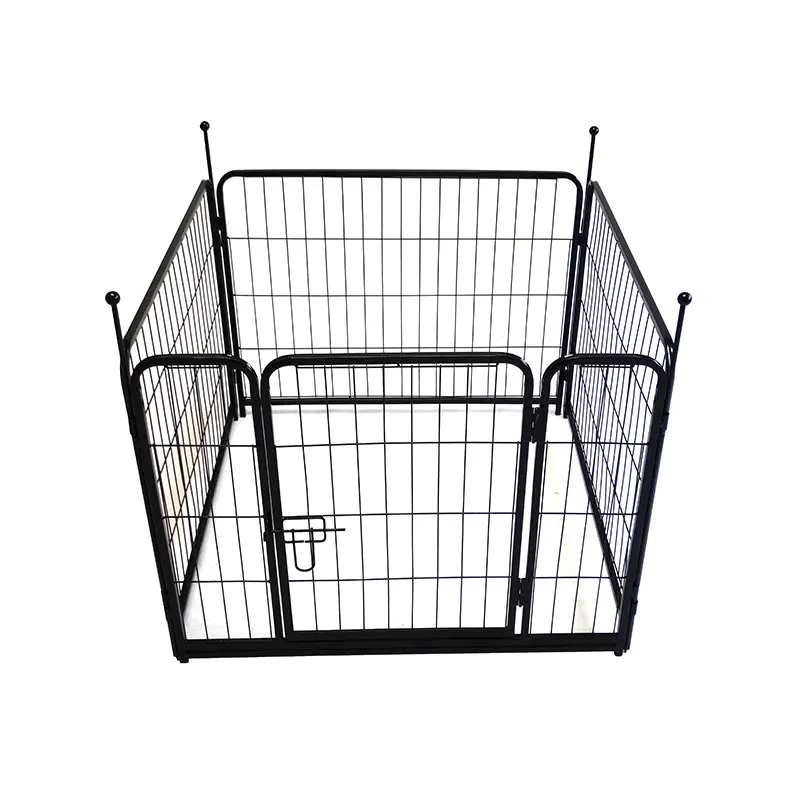
Not all pet owners require premium GPS or wireless systems. For many, a combination of traditional low‑cost fencing materials and basic containment tools can provide effective containment without excessive expenditure. Key affordable options include budget‑friendly buried wire systems, adjustable wireless perimeters, and portable panel fences that can be repurposed or relocated based on property use.
- Buried wire kits that cover up to a defined acreage.
- Low‑profile panel fences suitable for smaller yards.
- Expandable wireless options with adjustable radii.
Evaluating affordable dog fence options for backyards helps pet owners allocate resources toward solutions that match both safety goals and financial considerations.
Conclusion
A well‑designed Dog Fence enhances pet safety by defining clear boundaries, reducing escape risk, and supporting training efforts. Whether selecting the best dog fence for large dogs, implementing wireless installation, guiding puppy training, observing electric fence safety guidelines, or choosing budget‑friendly options, understanding key performance and safety criteria leads to successful outcomes. By integrating professional insights and industry trends into your containment strategy, you can create a secure and harmonious environment for your pets.
Frequently Asked Questions (FAQ)
- What makes a dog fence effective for safety? – A combination of reliable containment boundaries, proper installation, and consistent training contributes to an effective safety fence.
- Are wireless dog fences hard to install? – Wireless systems typically require minimal installation effort compared to buried wire systems but must be positioned thoughtfully to avoid signal interference.
- How should puppies be introduced to a dog fence? – Gradual boundary training with positive reinforcement is recommended to help puppies adapt confidently.
- Can electric dog fences be safe for all dog sizes? – Yes, provided correction levels and collar fit are adjusted for each individual dog’s size and temperament.
- What affordable dog fence options exist? – Budget solutions include basic buried wire kits and portable panel systems suitable for smaller yards.



Nantong Dihang Metal Products Co., Ltd.
Product Center
Contact Us
- +86-15262716185
- [email protected]
- Group 1, Guzhuang Village, Qutang Town, Haian Country, Nantong, Jiangsu, China
Copyright © 2023 Nantong Dihang Metal Products Co., Ltd. All Rights Reserved.
