 Inquiry

 English
 中文简体
中文简体 Deutsch
- Type:
- Industry News
- Date
- 2026-Jan-08
News
Home / News / Industry News / Engineering Safety: Essential Standards for a Strong Metal Dog Crate for High-Anxiety Pets
Content
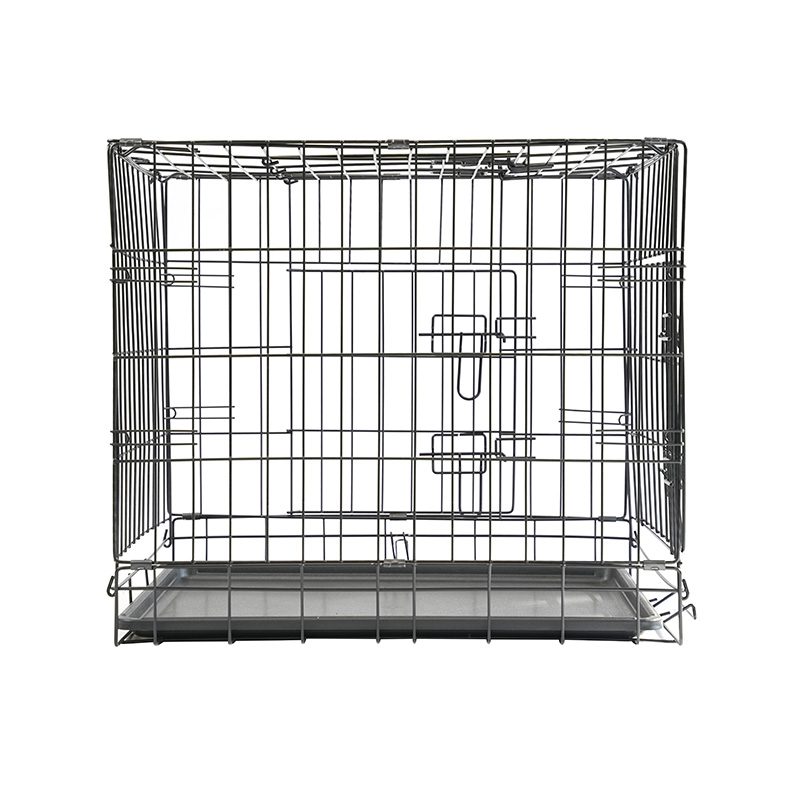
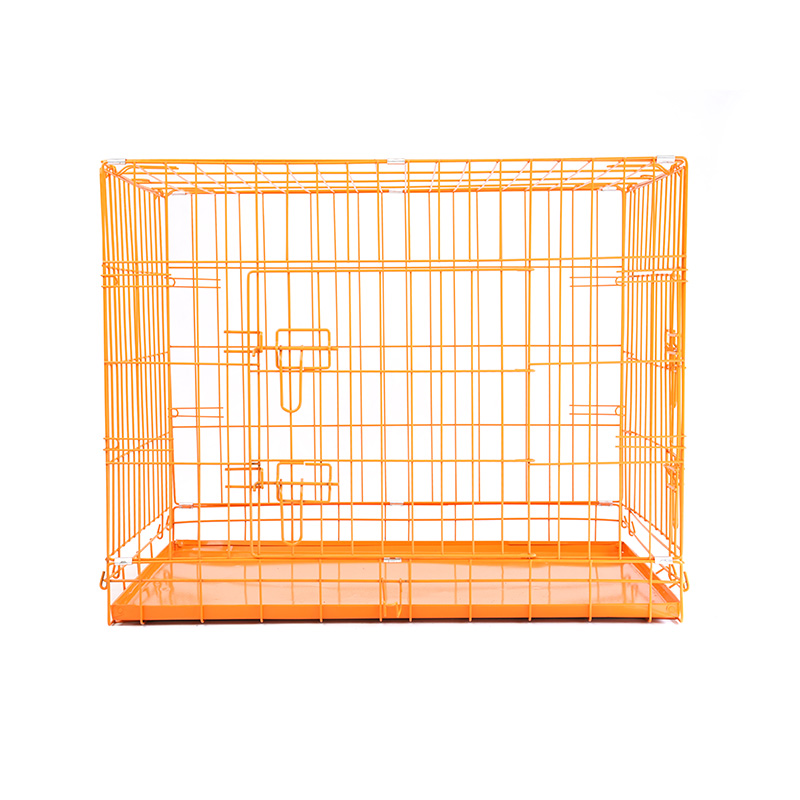
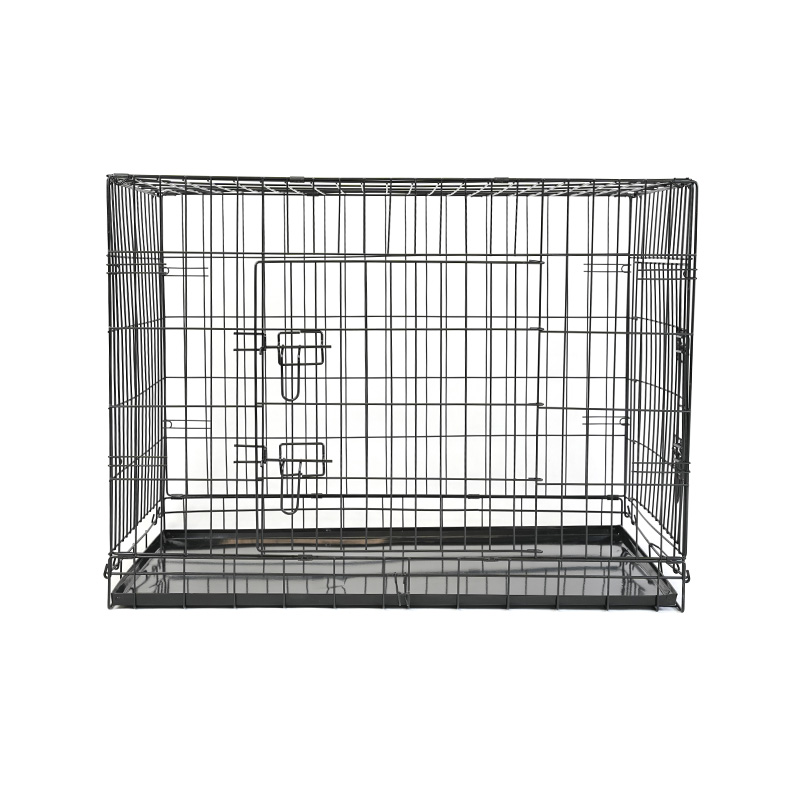
For high-anxiety pets, a standard enclosure is often insufficient and can even become a safety hazard. Engineering a strong metal dog crate requires a deep understanding of structural mechanics and animal behavior. High-anxiety dogs often exhibit destructive chewing, pawing, and forceful lunging, which can compromise the integrity of low-gauge wire cages. To provide a true sanctuary, professional-grade crates must adhere to specific industrial standards regarding material thickness, reinforcement, and non-toxic finishing.
The primary failure point in most pet enclosures is the gauge of the metal used. When evaluating strong metal dog crate wire gauge standards for large breeds, engineers prioritize high-tensile carbon steel. Standard economy crates typically utilize 12-gauge wire (approx. 2.0mm), which offers minimal resistance to a 30kg dog’s jaw pressure. In contrast, professional heavy-duty models utilize 6-gauge to 8-gauge steel (4.0mm to 5.0mm), providing the structural rigidity necessary to prevent bar deformation and potential injury.
The difference in tensile strength between economy-grade wire and industrial-grade steel bars is substantial, with professional-grade materials offering over 300% more resistance to bending forces.
| Specification Metric | Economy Gauge (12-14 AWG) | Professional Industrial Gauge (6-8 AWG) |
| Wire Diameter | 1.6mm - 2.0mm | 4.1mm - 5.0mm |
| Tensile Strength (MPa) | ~250 - 300 | ~500 - 700+ |
| Application | Small/Calm Pets | Large Breeds / High-Anxiety Use |
Anxious dogs are notorious for manipulating simple latch systems. An escape proof strong metal dog crate with dual locks is essential to prevent accidental openings. Engineering focus has shifted toward anti-tamper gravity latches and spring-loaded deadbolts that cannot be disengaged from the inside. According to the 2024-2025 guidelines provided by the International Air Transport Association (IATA) regarding the transport of high-energy animals, locking mechanisms must be reinforced to ensure that even under extreme vibration or impact, the door remains structurally sealed.
Source: IATA - Live Animals Regulations (LAR) Safety Standards 2025

A heavy duty strong metal dog crate for high anxiety dogs must mitigate the risk of self-mutilation. Anxious dogs often try to chew through bars or wedge their paws into gaps. Professional designs utilize precision welding and optimized bar spacing to prevent "toeing" or jaw entrapment. While standard crates often leave sharp metal burrs at welding points, high-end industrial crates undergo a full robotic polishing process to ensure all contact surfaces are smooth.
| Safety Feature | Standard Crate Design | Professional Anxiety-Grade Design |
| Welding Process | Spot Welding (Brittle) | 360° Full-Circle Laser Welding |
| Edge Finishing | Raw / Deburred | Polished / Radiused Corners |
| Bar Spacing | Wide (>5cm) | Optimized (<4cm) for Safety |
Durability is also a function of chemical resistance. For those requiring a rust resistant strong metal dog crate for outdoor use, the coating must be both weather-hardened and non-toxic. Traditional zinc plating can be harmful if ingested by "heavy chewers." Modern standards dictate the use of multi-stage powder coating that meets the EN 71-3 safety requirements for non-toxicity, ensuring that even if a dog bites the bars, no harmful chemicals are leached.
Recent data from the American Society for Testing and Materials (ASTM) highlights that advanced thermoplastic coatings applied via fluidized bed processes provide up to 5 times the salt-spray resistance of traditional spray-on paints, making them ideal for coastal or high-humidity environments.
Source: ASTM International - Standard Guide for Metal Enclosure Coatings 2024
When analyzing the wholesale strong metal dog crate price for pet boarding, procurement officers must look at the Total Cost of Ownership (TCO). While the initial capital expenditure for a professional-grade strong metal dog crate is higher, the amortization period is significantly longer. A standard crate in a high-turnover boarding facility may fail within 12 months, whereas a reinforced industrial model can remain in service for over a decade with minimal maintenance.
| Cost Metric | Standard Consumer Crate | Professional Wholesale Model |
| Estimated Lifespan | 1 - 2 Years | 10 - 15 Years |
| Maintenance Needs | Frequent (Latch/Bar repair) | Near Zero |
| Long-term ROI | Low (High replacement rate) | Very High (Lower TCO) |
As a leading manufacturer of high-security pet solutions, we specialize in the engineering of the strong metal dog crate. Our facility utilizes robotic CO2 welding and non-toxic powder coating lines to ensure every unit meets international safety benchmarks. We support B2B partners by providing customized wire gauge specifications and ultra-secure locking systems designed specifically for the most challenging high-anxiety pet environments.
According to strong metal dog crate wire gauge standards for large breeds, we recommend 6-gauge to 8-gauge steel. This thickness prevents the bars from being bent or snapped by powerful lunging or chewing.
An escape proof strong metal dog crate with dual locks utilizes independent locking points that are positioned away from the dog’s reach, significantly reducing the possibility of a successful escape compared to single-latch systems.
Yes. Any professional heavy duty strong metal dog crate for high anxiety dogs should use lead-free, non-toxic powder coating that meets international toy safety standards (like EN 71-3) to ensure pet health.
A rust resistant strong metal dog crate for outdoor use prevents structural degradation caused by oxidation. This is critical because rust weakens the metal, potentially leading to sharp edges or structural collapse over time.
The wholesale strong metal dog crate price for pet boarding reflects the use of high-carbon steel, precision welding, and non-toxic finishes. While the upfront cost is higher, the extreme durability ensures a much lower cost-per-year than consumer-grade alternatives.