
 Inquiry

 English
 中文简体
中文简体 Deutsch
- Type:
- Industry News
- Date
- 2026-Feb-23
Industry News
Why Choose a Dog Fence?
Content
Understanding Different Types of Dog Fences
Selecting the right containment system for a canine companion is a critical decision that impacts the safety of the pet and the peace of mind of the owner. The market offers a vast array of options, ranging from traditional physical barriers to modern technological solutions, each designed to address specific needs and environments. When searching for the ideal Dog Fence, it is essential to understand the fundamental differences between these categories. Physical fences, typically made of metal, wood, or vinyl, provide a visible and tangible barrier that keeps dogs in and unwanted wildlife or strangers out. They are often considered the gold standard for security but can be expensive and labor-intensive to install. On the other hand, modern solutions like wireless and electric fences offer flexibility and aesthetic benefits, allowing pet owners to contain their dogs without obstructing views or violating homeowners' association rules regarding physical structures. The choice between these types depends heavily on factors such as the size of the property, the dog's temperament, and the specific lifestyle of the household. As the pet product industry evolves, manufacturers are constantly innovating to create fences that are not only functional but also durable and easy to maintain, ensuring that pets can enjoy the outdoors safely.
- Physical barriers offer maximum security and visibility.
- Modern technological solutions provide flexibility and aesthetic appeal.
- The choice depends on property size, dog breed, and lifestyle.
- Innovations in manufacturing are improving durability and maintenance.
- Safety and peace of mind are the primary goals of any containment system.
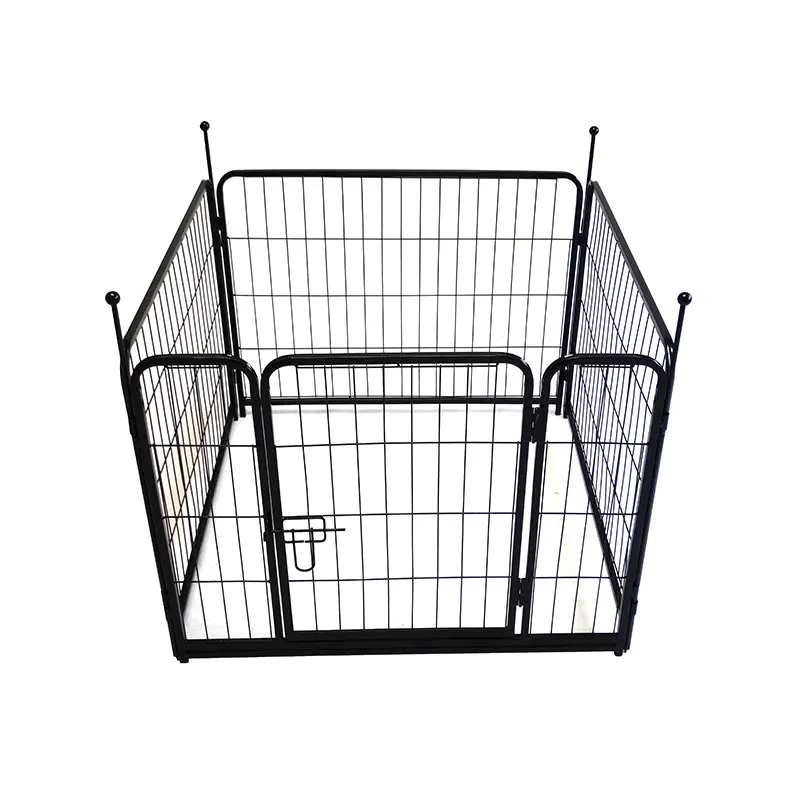
Physical vs. Invisible: Which Is Right for You?
The debate between physical and invisible fences is a common topic among pet owners. Physical fences, such as metal panels or wooden pickets, create a solid boundary that prevents dogs from seeing potential triggers on the other side, which can reduce reactive behaviors like barking or lunging. Conversely, invisible fences use a buried wire or a wireless signal to create a boundary. While they are less obtrusive, they do not prevent other animals or people from entering the yard. The following table compares the key aspects of both systems to help owners make an informed decision.
| Feature | Physical Fence | Invisible Fence |
| Containment | Keeps dog in and others out | Keeps dog in only |
| Aesthetics | Can obstruct views | Invisible to the eye |
| Maintenance | Requires painting/repairs | Requires battery/collar checks |
| Installation | Labor intensive | Relatively quick setup |
| Cost | Higher initial investment | Generally lower initial cost |
Exploring the Best Wireless Dog Fence Options
For renters or those who dislike digging trenches in their yards, wireless systems have become increasingly popular. The best wireless dog fence typically consists of a transmitter that plugs into an outlet and a receiver collar worn by the dog. These systems create a circular boundary around the transmitter. They are incredibly portable, making them excellent for travel or temporary containment at vacation homes. However, it is crucial to note that wireless systems can sometimes struggle with uneven terrain or interference from metal objects, which can affect the consistency of the boundary signal. Despite these limitations, the convenience of a plug-and-play solution makes this a top choice for many modern pet owners looking for a hassle-free way to keep their pets safe.
- Transmitter plugs into an outlet to create a circular boundary.
- Highly portable and suitable for travel or temporary use.
- Receiver collar corrects the dog when they approach the boundary.
- May struggle with uneven terrain or metal interference.
- Offers a convenient, plug-and-play solution for containment.
The Importance of Choosing the Right Material
When opting for a physical enclosure, the material of the fence is paramount. Metal fences, particularly those made of galvanized steel or wrought iron, offer superior strength and longevity compared to wood or plastic. They are resistant to chewing, which is a significant consideration for puppies or determined escape artists. High-quality metal finishes also prevent rust, ensuring the fence remains safe and attractive for years. A robust metal enclosure serves as a permanent investment in the property's value and the pet's safety.
- Metal fences provide superior strength and longevity.
- Resistant to chewing and weather damage.
- Galvanized steel prevents rust and corrosion.
- Durable materials ensure long-term safety and security.
Installation and Cost Considerations
Implementing a containment solution requires careful planning regarding both the installation process and the financial investment. Factors such as the terrain of the yard, the size of the area to be covered, and the specific type of system chosen all play a role in determining the overall effort and cost. While some homeowners may opt for a DIY approach to save money, professional installation can ensure that the system functions correctly and safely. Understanding the breakdown of these costs helps pet owners budget effectively and avoid unexpected expenses down the line. Whether choosing a high-tech invisible system or a sturdy metal structure, evaluating the long-term value versus the upfront price is essential for a satisfying purchase.
- Terrain and yard size influence installation complexity.
- DIY options can save money but require time and effort.
- Professional installation ensures optimal functionality and safety.
- Long-term value often outweighs initial upfront costs.
- Budgeting should include maintenance and potential accessories.
Electric Dog Fence Installation Guide
Installing an underground system is a project that many capable homeowners can undertake themselves, but it requires patience and precision. The electric dog fence installation process generally involves planning the layout, digging a thin trench to bury the wire, connecting the wire to the transmitter, and placing flags along the boundary to train the dog. The most critical part of the installation is ensuring the wire makes a complete loop without any breaks in the continuity. Additionally, crossing driveways or paved areas often requires using a saw to cut a groove for the wire, allowing it to be buried safely without damaging the concrete. Proper installation ensures the signal is consistent, preventing the dog from receiving confusing corrections or finding gaps in the boundary.
- Planning the layout is the first and most crucial step.
- Digging a shallow trench to bury the boundary wire.
- Ensuring a complete loop for continuous signal transmission.
- Using saws to cross driveways or paved areas safely.
- Placing flags to visually mark the boundary for training.
Analyzing Invisible Dog Fence Cost vs. Traditional Fencing
Cost is often the deciding factor for many pet owners. An analysis of invisible dog fence cost compared to traditional fencing reveals interesting distinctions. While invisible fences have a lower material cost, they require ongoing expenses for collar batteries and potential replacements of the receiver unit. Traditional fences, such as metal or wood, have a high initial cost for materials and labor but typically have very low ongoing maintenance costs aside from occasional painting or repairs. The table below provides a breakdown of the financial implications of both options over time.
| Cost Factor | Invisible Fence | Traditional Fence |
| Initial Material Cost | Low to Moderate | High |
| Installation Cost | Low (DIY friendly) | High (Labor intensive) |
| Maintenance | Batteries, Collar repairs | Painting, Repairs |
| Longevity | 5-10 years (Electronics) | 20+ years (Metal/Wood) |
| Property Value | Neutral | Increase |
Durability and Safety for Large Breeds
Owning a large or giant breed dog presents unique challenges when it comes to containment. These dogs possess significant strength and jumping ability, which flimsy fencing cannot withstand. A specialized dog fence for large breeds must be tall enough to prevent jumping and sturdy enough to withstand leaning or impact. For large breeds, physical barriers are generally recommended over invisible systems, as the physical deterrent of a solid wall or metal panel is more effective than a static correction for powerful animals. Furthermore, the materials used must be of the highest quality to ensure that the dog cannot break through or bend the fencing components, which could lead to injury or escape.
- Height is crucial to prevent large dogs from jumping over.
- Strength is necessary to withstand impact and leaning.
- Physical barriers are often safer than static corrections.
- High-quality materials prevent bending or breaking.
- Safety of the animal is the priority in design selection.
Features of a Dog Fence for Large Breeds
When evaluating enclosures for bigger dogs, specific features are non-negotiable. The gauge of the metal wire, the height of the panels, and the stability of the posts all contribute to the security of the enclosure. Large breeds also require smooth surfaces without sharp edges to prevent injury if they rub against the fence. A heavy-duty metal enclosure designed for large breeds offers the reliability needed to keep powerful pets secure.
| Feature | Importance for Large Breeds |
| Height | Prevents escape by jumping |
| Material Gauge | Resists bending and structural failure |
| Surface Finish | Prevents injuries from sharp edges |
| Post Stability | Ensures the fence remains upright under pressure |
| Latch Security | Prevents smart dogs from opening gates |
About Nantong Dihang Metal Products Co., Ltd.
Professional Manufacturer of Pet Products
Nantong Dihang Metal Products Co., Ltd. was established in 2015 and is a professional pet products manufacturer and exporter. With innovative designs and exquisite craftsmanship, we quickly made a name for ourselves. For many years, we have been focusing on the production and export of pet cages and pet fences. The company understands that a pet enclosure is more than just a product; it is a home for a beloved family member. Therefore, every product is manufactured with a focus on safety, durability, and ease of use. By leveraging advanced manufacturing techniques and high-quality materials, the company has developed a range of products that meet the diverse needs of pet owners globally, ensuring that every dog, regardless of size or breed, has a safe and secure environment to play and live.
- Established in 2015 with a focus on professional manufacturing.
- Specialization in pet cages and pet fences.
- Commitment to innovative designs and exquisite craftsmanship.
- Emphasis on safety, durability, and user-friendly features.
Global Reputation and Service Excellence
As a trustworthy supplier, we maintain cooperation with many importers around the world and have won a good reputation in the industry with our high-quality product quality, fast and efficient communication, and timely delivery. In the competitive world of pet product exports, building lasting relationships is key. The company strives to be more than just a vendor; it aims to be a partner in its clients' success. This customer-centric approach ensures that every inquiry is answered promptly and every order is processed with the utmost care. From the initial design phase to final delivery, the team works tirelessly to ensure that the products arrive in perfect condition and on time, fostering trust and loyalty among partners across various countries and regions.
- Maintains cooperation with global importers.
- High standards for product quality and control.
- Fast and efficient communication with clients.
- Timely delivery to meet market demands.
- Commitment to building long-term industry relationships.
FAQ
What is the most secure type of Dog Fence?
Physical fences, particularly those made of metal or wood, are generally considered the most secure type of Dog Fence. They provide a visible barrier that prevents dogs from escaping and keeps predators or strangers out. They are especially recommended for large breeds or dogs that are prone to wandering.
How do I choose the best wireless dog fence for my yard?
To choose the best wireless dog fence, consider the size and shape of your yard, as wireless systems typically create a circular boundary. You should also check the range of the transmitter and ensure there are no large metal objects or slopes that could interfere with the signal consistency.
Is professional electric dog fence installation necessary?
While professional electric dog fence installation ensures the job is done correctly, many systems are designed for DIY installation. If you are comfortable with basic tools and planning, you can install it yourself. However, professional installation is recommended for complex landscapes with driveways or rocky soil.
Why does invisible dog fence cost vary so much?
The invisible dog fence cost varies based on the brand, the size of the property (amount of wire needed), and the features of the collar (e.g., rechargeable vs. replaceable batteries, correction levels). Customized setups for difficult terrain will also be more expensive than standard kits.
What features should I look for in a dog fence for large breeds?
For a dog fence for large breeds, look for height (at least 6 feet), heavy-duty materials like galvanized steel, and secure latches. The structure must be able to withstand the physical force of a large dog leaning against it without bending or collapsing.



Nantong Dihang Metal Products Co., Ltd.
Product Center
Contact Us
- +86-15262716185
- [email protected]
- Group 1, Guzhuang Village, Qutang Town, Haian Country, Nantong, Jiangsu, China
Copyright © 2023 Nantong Dihang Metal Products Co., Ltd. All Rights Reserved.
