
 Inquiry

 English
 中文简体
中文简体 Deutsch
- Type:
- Industry News
- Date
- 2026-Feb-09
Industry News
What is a Wire Kennel Cover?
Content
- 1 The Complete Guide to Choosing a Wire Kennel Cover
- 1.1 1. Size and Fit First: The Importance of a Custom Fit Wire Kennel Cover
- 1.2 2. Protection from the Elements: Choosing a Waterproof Wire Kennel Cover
- 1.3 3. Ensuring Comfort and Safety: The Need for a Breathable Wire Kennel Cover
- 1.4 4. Accessibility and Convenience: The Wire Kennel Cover with Door Flap
- 1.5 5. Scaling Up: Selecting a Wire Kennel Cover for Large Crate
- 2 FAQ
A wire kennel cover is much more than a simple piece of fabric thrown over a metal cage. It is a thoughtfully designed accessory that transforms an open, exposed enclosure into a secure, den-like retreat for your dog. Rooted in the understanding of canine behavior, a proper cover caters to a dog's natural instinct to seek out sheltered, enclosed spaces for rest and safety. By reducing visual stimulation and blocking out drafts or direct light, a cover can significantly lower a dog's anxiety, discourage excessive barking triggered by external movements, and promote deeper, more restful sleep. However, not all covers are created equal. The ideal cover must balance privacy with essential ventilation, durability with ease of use, and a snug fit with simple accessibility. This guide will navigate the critical aspects of selecting the right cover, from ensuring a custom fit wire kennel cover for safety and effectiveness to understanding the specialized roles of a waterproof wire kennel cover versus a breathable wire kennel cover. We'll also examine the practical convenience of a wire kennel cover with door flap and address the specific considerations when choosing a wire kennel cover for large crate. Whether your kennel is placed in a bustling living room, on a covered patio, or used for travel, understanding these features will help you create the safest, most comfortable sanctuary for your pet.
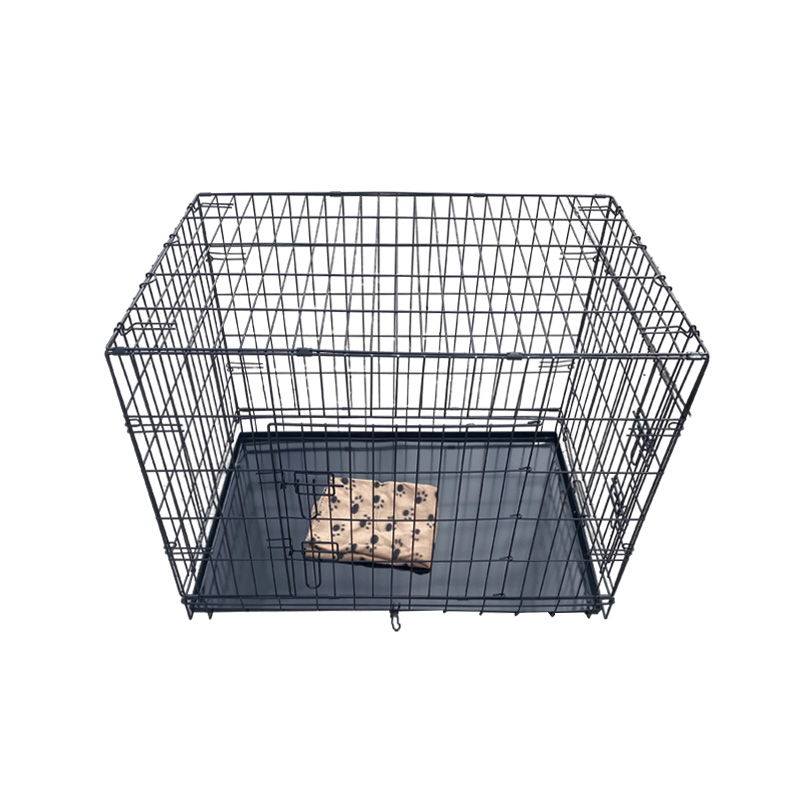
The Complete Guide to Choosing a Wire Kennel Cover
Selecting a kennel cover is an exercise in understanding your dog's needs and your specific environment. The primary function is to create a sense of security, but how that is achieved involves several engineering and design choices. The material must be strong enough to resist paws and claws, yet soft and non-abrasive. The fit must be secure to prevent the cover from slipping or being pulled inside, which could become a safety hazard. Furthermore, the cover must facilitate, not hinder, the crate's fundamental purpose as a well-ventilated space. A poor-quality cover can trap heat, moisture, and carbon dioxide, creating an unhealthy microclimate. This guide breaks down the selection process into five foundational pillars: fit, protection, breathability, accessibility, and scale. By evaluating each of these areas against your specific use case—such as a puppy prone to accidents needing a waterproof layer, or a large, active dog requiring an exceptionally sturdy cover—you can make an informed purchase that enhances your dog's crate experience rather than complicating it.
1. Size and Fit First: The Importance of a Custom Fit Wire Kennel Cover
The single most important factor in a kennel cover's safety and functionality is its fit. A custom fit wire kennel cover, or one specifically sized to your crate's exact model, is paramount. A loose cover can sag into the crate, presenting a chewing or entrapment hazard, and may block airflow. A cover that is too small will not provide full coverage, defeating its purpose, and can put undue stress on the seams and attachment points. A properly fitted cover should snugly envelop the top and sides of the crate, leaving the front and rear doors (or designated sides) accessible. This tailored approach ensures the cover remains taut and in place, maintains maximum interior space for your dog, and looks neat and intentional in your home. Always measure your crate's length, width, and height before purchasing, and refer to manufacturer sizing charts meticulously, as a "42-inch crate cover" can vary based on design.
- How to Measure: Measure the exterior length (from side to side), width (from front to back), and height (from floor to top) of your wire crate. Note any protruding latches or wheels.
- Safety Benefit: A snug fit prevents the fabric from being pulled into the crate by a curious dog, eliminating a potential ingestion or entanglement risk.
- Functional Benefit: A taut cover is less likely to collect dust, sag with moisture, or flap loosely, which can startle a sensitive dog.
| Fit Type | Description | Potential Issue |
| Loose / Universal Fit | Excess fabric; may drape into crate | Chewing hazard, blocks air vents, looks messy |
| Custom / Exact Fit | Snug on all sides; follows crate contours | Requires precise measurement; may be model-specific |
| Too Small | Does not fully cover sides or top | Exposes dog to light/drafts, stress on seams |
2. Protection from the Elements: Choosing a Waterproof Wire Kennel Cover
A waterproof wire kennel cover is an essential investment for specific situations. Its primary role is to create a reliable moisture barrier. This is crucial for outdoor use on a patio or in a garage where dew, rain, or sprinklers could otherwise leave your dog damp and cold. It is also highly recommended for indoor use with puppies during potty-training, as it protects the crate's wire structure from urine and makes cleanup significantly easier—simply wipe the waterproof surface instead of dealing with soaked fabric. True waterproofing is achieved through materials like polyester with a polyurethane (PU) coating or laminated layers that prevent water penetration. It's important to distinguish between water-resistant (can handle light spray) and fully waterproof (can withstand sustained exposure). For the cover to be effective, seams should also be sealed or welded to prevent water from seeping through stitch holes.
- Ideal Use Cases: Outdoor kennels, puppies in training, travel in potentially wet conditions, or dogs that like to splash water from bowls.
- Material Key: Look for high-denier polyester (e.g., 600D, 1200D) with a PU coating or a vinyl laminate for the most durable waterproofing.
- Ventilation Consideration: Even waterproof covers must have ample mesh panels or vents to prevent condensation and ensure airflow, avoiding a "plastic bag" effect.
3. Ensuring Comfort and Safety: The Need for a Breathable Wire Kennel Cover
While privacy is key, breathability is non-negotiable for safety. A breathable wire kennel cover allows for continuous air exchange, preventing the buildup of heat, humidity, and carbon dioxide inside the crate. This is vital for your dog's comfort and health, especially during longer periods of confinement or in warmer climates. Breathability is achieved through strategic design: large mesh window panels (often on the sides), vented flaps, or by using inherently breathable fabrics like cotton canvas or certain micro-mesh polyesters. A cover that is not breathable can cause your dog to overheat, lead to uncomfortable condensation on a waterproof wire kennel cover, and create a stuffy, unpleasant environment that your pet will want to avoid. The best covers expertly balance solid panels for privacy with generous mesh areas for airflow.
- Airflow Design: Look for covers with mesh panels that constitute at least 30-40% of the side surface area, positioned to facilitate cross-ventilation.
- Fabric Choice: While waterproof materials can be less breathable, high-quality ones will integrate large mesh sections. For indoor use, breathable fabrics like cotton blends are excellent.
- Health & Safety: Adequate ventilation regulates temperature, reduces dampness that can encourage mold or mildew on bedding, and ensures a fresh air supply.
| Cover Type | Breathability Level | Best For | Potential Drawback |
| All-Fabric Cover (No Mesh) | Low | Extremely light-sensitive dogs in cool rooms | Risk of overheating and poor air quality |
| Cover with Small Mesh Vents | Moderate | General indoor use, moderate climates | May be insufficient for large dogs or hot weather |
| Cover with Large Mesh Panels | High | Active dogs, warm climates, anxious dogs needing airflow | Provides slightly less visual privacy |
4. Accessibility and Convenience: The Wire Kennel Cover with Door Flap
A wire kennel cover with door flap is a hallmark of thoughtful design that prioritizes both human convenience and canine routine. The door flap is a dedicated panel that covers the crate's main entry while remaining easy to open and close. This feature allows you to maintain the covered, secure environment without having to lift or adjust the entire cover every time your dog enters or exits. It lets you check on your pet, offer treats, or provide water without disturbing the entire setup. Flaps typically close via magnets, ties, or zippers. Magnetic flaps offer the easiest one-handed operation, while zippered flaps provide the most secure closure. This feature is especially useful for covers used at night or in busy households, as it preserves the den-like atmosphere and minimizes disruption for a sleeping dog.
- Functional Advantage: Enables access to the crate without removing the cover, maintaining darkness and privacy for the dog inside.
- Flap Closure Types: Magnetic: Easy and quiet. Tie-up: Adjustable but slower. Zippered: Most secure, best for travel.
- Training Aid: A door flap can be used to gradually acclimate a dog to a covered crate by leaving it open at first, then partially closed, then fully closed.
5. Scaling Up: Selecting a Wire Kennel Cover for Large Crate
Choosing a wire kennel cover for large crate or an extra-large dog introduces additional considerations. The cover itself will be a larger piece of fabric, making material strength and structural support critical. Flimsy materials will sag in the middle over a wide span. Look for reinforced stitching, heavier-duty fabric (like 1200D polyester), and sometimes internal support rods or straps that run across the top to prevent pooling. The attachment system must also be robust; elastic hems alone may not be sufficient. A combination of a tight elastic skirt plus secure straps that wrap around the crate's corners or frame is ideal for a large cover. Furthermore, handling a large cover can be cumbersome; models that are easy to put on and take off, perhaps with zippered sides or multiple access points, will make your life much easier.
- Material & Support: Heavy-duty denier fabric (1000D+) and cross-support straps are essential to prevent sagging on crates over 42 inches in length.
- Attachment Security: A system of straps with buckles or strong clips, in addition to an elastic hem, ensures the cover stays anchored during dog movement.
- Practical Handling: Consider covers with zippered side panels or multi-panel designs for easier installation and removal from a large, heavy crate.
FAQ
Can a kennel cover help with my dog's anxiety or barking?
Yes, a properly fitted wire kennel cover can be a highly effective tool for managing anxiety and reducing nuisance barking for many dogs. By limiting their field of vision, the cover removes visual triggers that can cause excitement or stress, such as people walking by, other pets, or activity outside a window. This creates a calmer, more den-like environment that appeals to their natural instincts for a safe hiding place. For barking specifically, eliminating sightlines to "guard" often reduces the behavior significantly. It's important to pair the cover with positive crate training. The cover should never be used as punishment, and the crate must remain a breathable wire kennel cover to ensure it's a comfortable, not claustrophobic, space.
How do I clean and maintain my wire kennel cover?
Cleaning and maintenance depend on the material. Most modern wire kennel cover fabrics, like polyester or Oxford cloth, are designed for easy care. For routine dirt and hair, regular vacuuming or shaking outside is sufficient. For spot cleaning, use a damp cloth with mild soap. Many covers are machine washable; always check the label and use a gentle cycle with cold water, then air dry completely to preserve waterproof coatings and prevent shrinkage. Avoid harsh chemicals or bleach. For a waterproof wire kennel cover, ensure the waterproof coating is intact after washing; some may require occasional re-treatment with a waterproofing spray designed for fabrics.
Is it safe to leave a kennel cover on all the time?
It is generally safe to leave a wire kennel cover on a crate full-time if the cover is well-designed and the environment is appropriate. The critical conditions are: 1) The cover must be highly breathable with ample mesh panels to ensure constant fresh airflow. 2) The room temperature must be regulated and comfortable. 3) The dog must be accustomed to the cover and not show signs of overheating or distress. However, it's a good practice to remove the cover periodically for a thorough airing out of the crate and to wash the cover regularly. Never leave a dog in a fully enclosed, non-breathable cover for extended periods.
My dog tries to pull the cover into the crate. What should I do?
This behavior indicates either an improper fit or a dog that is not yet comfortable with the cover. First, ensure you have a custom fit wire kennel cover that is taut and cannot be easily grabbed through the wires. If the fit is good, your dog may be curious or anxious. Address this by associating the cover with positive things. Start with the cover only partially on, feed meals and high-value treats in the covered crate, and never use the cover as a punishment. You can also temporarily use external binder clips to secure the cover's edges tightly to the crate frame, out of the dog's reach, until they become accustomed to it. If chewing persists, consider a cover made from a more durable, chew-resistant material.



Nantong Dihang Metal Products Co., Ltd.
Product Center
Contact Us
- +86-15262716185
- [email protected]
- Group 1, Guzhuang Village, Qutang Town, Haian Country, Nantong, Jiangsu, China
Copyright © 2023 Nantong Dihang Metal Products Co., Ltd. All Rights Reserved.
