
 Inquiry

 English
 中文简体
中文简体 Deutsch
- Type:
- Industry News
- Date
- 2025-Dec-09
Industry News
Why Choose a Custom Heavy Duty Metal Dog Cage With Tray?
Content
- 1 What Defines a Strong Custom Heavy Duty Metal Dog Cage With Tray?
- 2 How Does Heavy-Duty Construction Benefit Large or Active Dogs?
- 3 Why a Removable Tray Matters for Hygiene and Maintenance
- 4 When Is a Custom Heavy Duty Cage With Tray the Right Choice?
- 5 Safety, Ventilation and Comfort Considerations
- 6 FAQ
What Defines a Strong Custom Heavy Duty Metal Dog Cage With Tray?

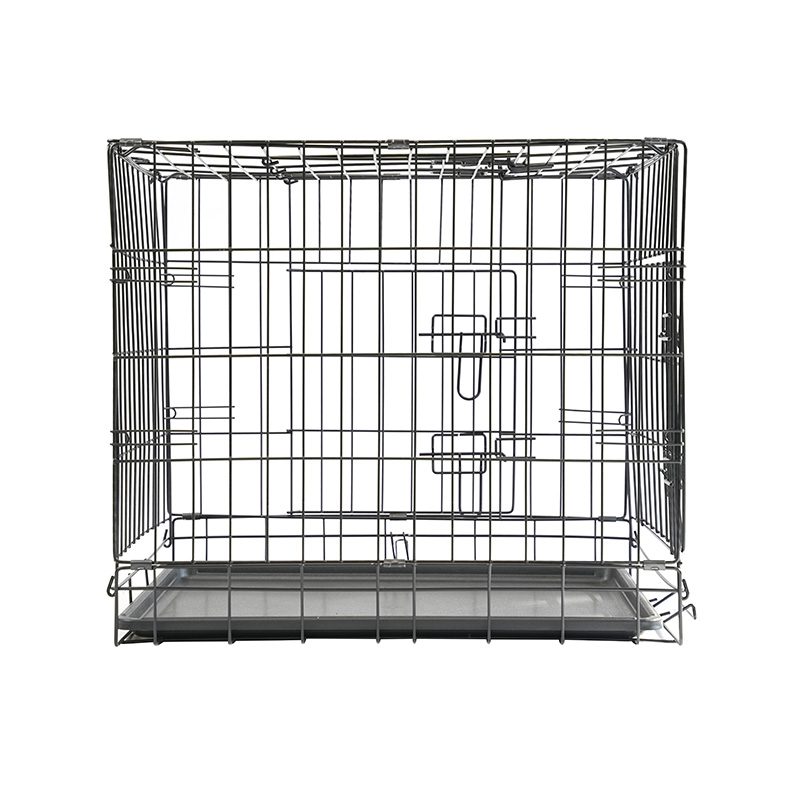
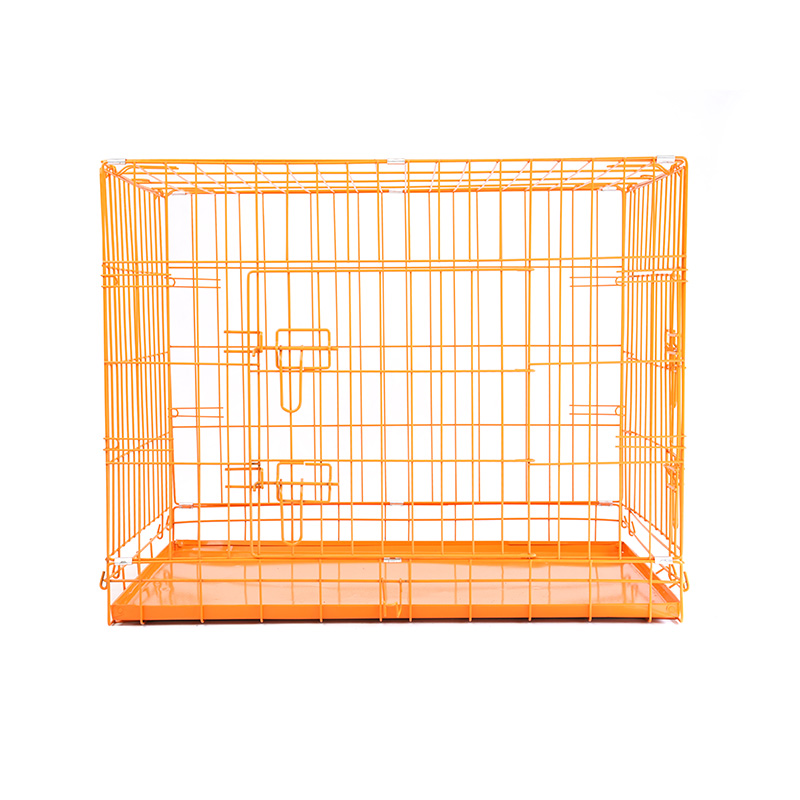
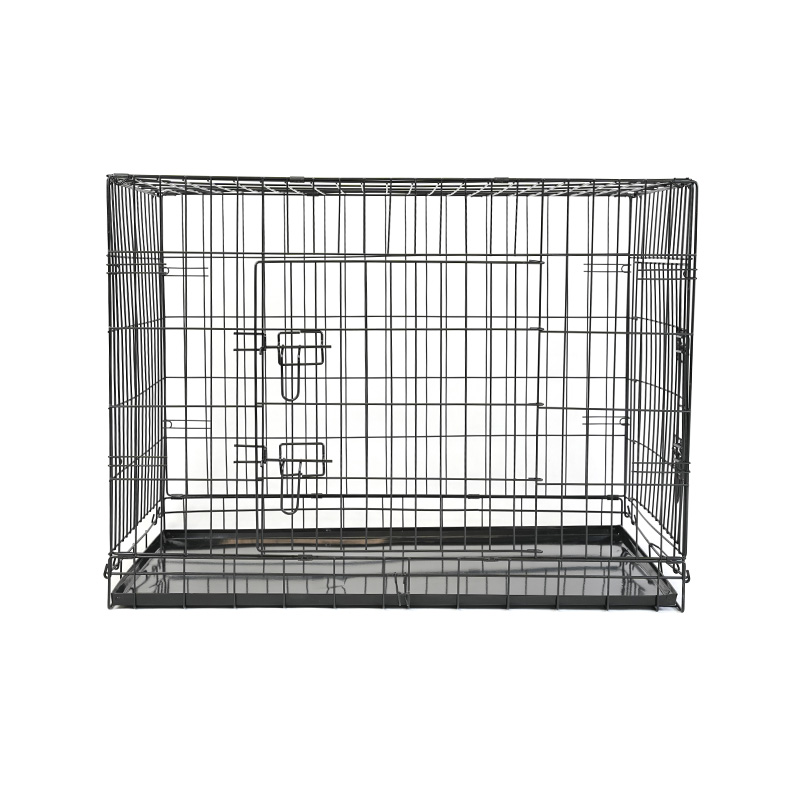
A Custom Heavy Duty Metal Dog Cage With Tray combines robust construction, secure containment, and easy maintenance—making it ideal for large, energetic, or escape-prone dogs. The “heavy duty metal” aspect ensures structural integrity under pressure and chewing attempts, while a built-in tray simplifies cleaning and hygiene. Custom cages also allow tailored dimensions, door configurations, latch types, and tray materials, ensuring the cage meets the specific needs of the dog’s size and owner’s lifestyle.
When selecting a cage, key attributes include metal gauge, welding quality, rust-resistant coating, and stable tray design. These features ensure durability and long-term safety. A quality heavy-duty metal crate provides better resistance against biting, scratching, and impact compared with plastic or fabric alternatives. It also offers superior ventilation and visibility thanks to open metal bars—contributing to pet comfort and owner convenience. :contentReference[oaicite:0]{index=0}
- Thick-gauge steel or coated metal for strength and durability
- Secure, chew-resistant wire structure to prevent escape or damage
- Removable tray for easy cleaning and hygiene maintenance
- Customizable size and door configuration to match pet’s breed and behavior
Metal Cage vs Other Materials: Quick Comparison
Below is a comparison of metal cages against common alternatives like plastic or fabric crates.
<tr
| Aspect | Metal Cage With Tray | Plastic / Fabric Crate |
| Durability | High — resists chewing, scratching, pressure | Low to Moderate — may crack or tear under stress |
| Cleaning & Hygiene | Tray removable, easy to clean | Often difficult; absorbs odors and stains |
| Security (escape resistance) | High — strong locks, rigid structure | Low to Moderate — easier to break or escape |
How Does Heavy-Duty Construction Benefit Large or Active Dogs?
For large or energetic dogs that pull, jump, chew, or constantly move around, a regular cage may bend, break, or deform over time. A heavy-duty metal dog cage built with thick-gauge steel and strong welds significantly reduces these risks. According to industry reports, such metal dog crates with reinforced welding and protective coatings offer far greater structural stability and longevity compared with lighter or plastic alternatives. :contentReference[oaicite:1]{index=1}
- Resists deformation under impact or pushing
- Protects against chewing and escape attempts
- Maintains shape and structural integrity over years
- Supports heavy breeds without bending or sagging
Key Construction Features to Look For
When evaluating heavy-duty cages, prioritize these technical specs:
- Thick steel wires or tubes (e.g. 16–14 gauge or heavy welded bars)
- Strong welds or welded seams rather than weak joints
- Rust-resistant powder coating or corrosion-resistant finish
- Secure latch mechanisms — ideally double-lock or bolt-style
Why a Removable Tray Matters for Hygiene and Maintenance
A built-in or detachable tray is a vital feature of a Custom Heavy Duty Metal Dog Cage With Tray. It simplifies cleaning, prevents urine or waste seepage, and helps maintain a hygienic environment for pets. Removable trays—often made from plastic or metal—allow pet owners to quickly extract waste, wash the tray, and reinstall it, reducing odor and bacterial growth. Many heavy-duty cages with trays are marketed precisely for this convenience and practicality. :contentReference[oaicite:2]{index=2}
- Prevents waste from contacting cage wires or floor
- Easy to remove and clean, even daily
- Protects floor beneath cage from spills and accidents
- Allows quick sanitization — important for health and odor control
Tray Material and Maintenance Recommendations
For longevity and hygiene, choose trays made from durable, chew-resistant materials (e.g. ABS, thick plastic, or metal). Avoid thin trays that can crack under weight or chewing force. Regular cleaning with pet-safe disinfectants helps keep cage sanitary. For dogs with heavy drooling or shedding, frequent tray cleaning prevents buildup of moisture, odor, and bacteria.
When Is a Custom Heavy Duty Cage With Tray the Right Choice?
Not every dog or household needs a heavy-duty cage. Evaluate your pet’s size, behavior, and lifestyle before investing in a custom heavy-duty cage. Below are scenarios where such a cage becomes highly recommended:
- Large or strong-breed dogs prone to pushing, scratching, or chewing
- Escape-prone or anxious dogs who test crate boundaries
- Households with multiple pets, frequent cleaning needs, or young pets
- Owners expecting long-term use and minimal replacement frequency
When a Metal Cage May Be Overkill
For small, calm, well-trained dogs or those only needing temporary containment (like during travel or vet visits), lighter crates—plastic or fabric—may suffice. Additionally, metal cages tend to be heavier and less portable, which may not suit every living situation. :contentReference[oaicite:3]{index=3}
Safety, Ventilation and Comfort Considerations
A well-designed heavy-duty metal cage balances security with comfort. Adequate spacing between bars ensures ventilation and visibility; rounded or coated bars prevent injuries; secure locking mechanisms help prevent accidental escapes; and the removable tray helps maintain a hygienic floor surface. Good ventilation and open design also reduce risk of overheating—a common concern with enclosed crates. :contentReference[oaicite:4]{index=4}
- Proper bar spacing for air flow and visibility
- Rounded edges or smooth coatings for pet safety
- Secure double-lock doors for escape prevention
- Corrosion-resistant finishes for longevity
FAQ
Is heavy-duty metal cage better than plastic for large dogs?
Yes. Heavy-duty metal cages offer superior strength and resistance to chewing, scratching, and impact — features especially important for large or strong dogs. Plastic crates tend to crack or become brittle under stress, whereas metal crates remain stable and safe under heavy use. :contentReference[oaicite:5]{index=5}
Does a removable tray really improve hygiene?</
Absolutely. A removable tray prevents waste from contacting cage wires or underlying floors, allows for quick cleaning and sanitization, and reduces odor buildup. For multi-pet households or puppies, a tray helps maintain cleanliness and reduces maintenance workload. :contentReference[oaicite:6]{index=6}
What material and build quality should I look for in a heavy-duty cage?
Ideal heavy-duty cages are built from thick-gauge steel with strong welds and rust-resistant coatings. Secure latch mechanisms, chew-resistant bars, and stable frame construction are essential. Steel or powder-coated metal frames generally outperform aluminum or thin-wire models in strength and longevity. :contentReference[oaicite:7]{index=7}
Are metal cages safe and comfortable for dogs long-term?
Yes. With proper ventilation, smooth coatings, and an appropriate floor tray or bedding, metal cages provide a safe, clean, and stable environment for dogs over long-term use. They offer secure containment without compromising airflow or visibility. :contentReference[oaicite:8]{index=8}
When should I avoid heavy-duty metal cages?
If your dog is small, calm, rarely destructive, or you need portability (e.g. frequent travel), a heavy-duty cage might be overkill. Lighter plastic or fabric crates may suffice for temporary containment or transport needs. :contentReference[oaicite:9]{index=9}



Nantong Dihang Metal Products Co., Ltd.
Product Center
Contact Us
- +86-15262716185
- [email protected]
- Group 1, Guzhuang Village, Qutang Town, Haian Country, Nantong, Jiangsu, China
Copyright © 2023 Nantong Dihang Metal Products Co., Ltd. All Rights Reserved.
