
 Inquiry

 English
 中文简体
中文简体 Deutsch
- Type:
- Industry News
- Date
- 2025-Dec-02
Industry News
Is a Foldable Dog Cage the Right Choice for Your Pet?
Content
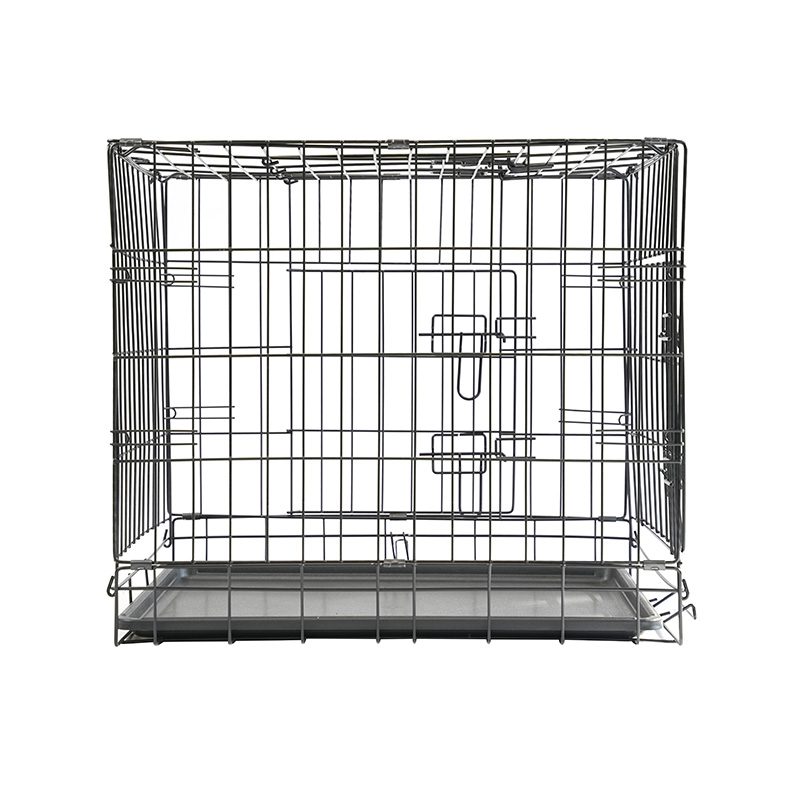
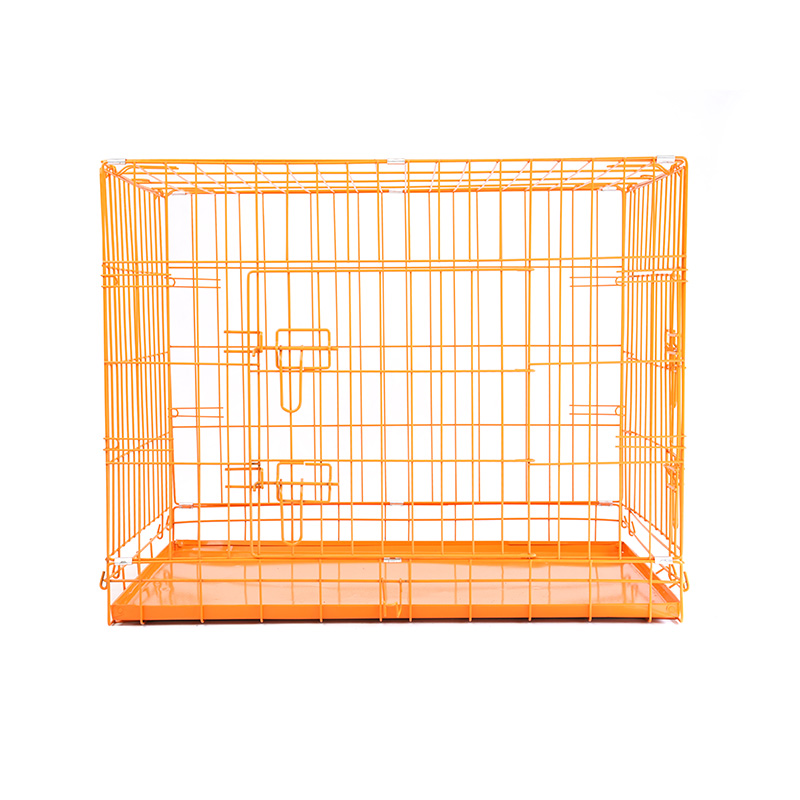
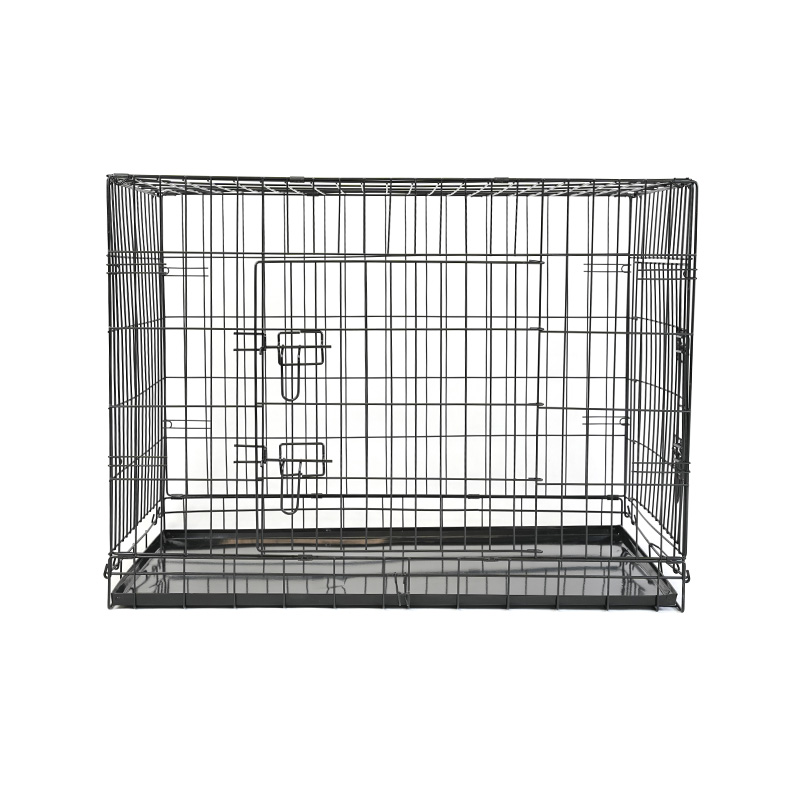
Choosing a crate for your dog is a significant decision that impacts their safety, comfort, and your home's harmony. While traditional crates serve their purpose, a modern solution has emerged that prioritizes flexibility and convenience: the Custom Foldable Dog Cage. This isn't just a one-size-fits-all product; it's a tailored approach to creating a secure den for your canine companion that fits seamlessly into your lifestyle. This guide will walk you through the essential considerations, from customization and safety to the undeniable benefits of a foldable design.
1. The Power of Customization: Why "One-Size-Fits-All" Doesn't Work
Every dog is unique, with a distinct breed, size, temperament, and set of needs. A generic crate can be too large, too small, or simply ill-suited for a specific purpose. This is where the "custom" aspect of a Custom Foldable Dog Cage becomes a game-changer. Customization allows you to specify the exact dimensions to ensure your dog has just enough room to stand up, turn around, and lie down comfortably—which is the industry gold standard for crate training. Beyond size, customization can extend to features like reinforced doors for strong escape artists, removable trays for easy cleaning, or even specific powder-coated colors to match your home decor. By choosing a custom solution, you are investing in a piece of equipment that is perfectly engineered for your pet's safety and your peace of mind.
- Perfect Fit: Ensures comfort and adheres to proper crate training principles.
- Targeted Features: Add reinforcements, specific latches, or tray types based on your dog's behavior.
- Aesthetic Integration: Choose colors and finishes that complement your home's interior.
2. Unmatched Convenience: The Benefits of a Foldable Design
The "foldable" feature is arguably the most significant practical advantage of modern dog cages. Life is dynamic—you may move homes, travel with your pet, or simply need to store the crate away when guests visit. A foldable design addresses all these scenarios with ease. Unlike fixed-welded crates, a foldable model can be collapsed in seconds into a compact, flat profile. This makes it incredibly easy to store in a closet, under a bed, or in the trunk of a car. For those who enjoy road trips with their dogs, a foldable cage is a non-negotiable convenience, providing a safe and familiar space for your pet at your destination without the hassle of transporting a bulky, rigid structure. This blend of sturdy security and portable convenience is what makes foldable cages so popular among modern pet owners.
2.1 Effortless Storage and Portability
The primary benefit is space-saving. When not in use, the crate folds down to a fraction of its assembled size. This is ideal for apartment dwellers or anyone who values a clutter-free living space. The lightweight nature of many foldable models also means they can be carried and set up by one person without strain.
2.3 Simplified Cleaning and Maintenance
Being able to collapse the cage gives you complete access to every nook and cranny for cleaning. Most models feature a removable bottom tray, but the ability to fold the sides down allows you to easily wipe down the entire frame, ensuring a hygienic environment for your pet free from hidden dirt and hair.
3. Safety and Security: Features to Look For
A crate's primary function is to keep your dog safe and secure. When evaluating a Custom Foldable Dog Cage, safety features must be your top priority. Start with the construction: look for heavy-gauge steel wire that is strong enough to withstand chewing and attempts to escape. The spacing between the wires is also critical; it should be narrow enough to prevent your dog's head or paws from getting stuck. The door latch is another crucial element. Opt for a secure, multi-point locking system that is difficult for a clever dog to manipulate. Finally, ensure the cage has smooth, rounded edges and no sharp points that could cause injury. A well-designed custom cage will integrate these safety features seamlessly into its foldable structure.
3.1 Construction Material and Gauge
The strength of the cage is determined by the thickness of the wire, measured in "gauge." A lower gauge number means thicker, stronger wire. For most medium to large dogs, a 20-gauge or lower steel wire is recommended. For smaller dogs or for a more portable option, a higher gauge (thinner) wire may be sufficient.
3.2 Secure Latching Mechanisms
A simple slide bolt might not be enough for a determined Houdini. Look for latches that engage at multiple points or require a two-step action to open. Some advanced designs even include safety locks that can be secured with a small carabiner or padlock for extra security.
4. Choosing the Right Size: A Step-by-Step Guide
Getting the size right is fundamental to your dog's acceptance and comfort in their crate. A crate that is too large can encourage a puppy to use one corner as a bathroom, while one that is too small is cruel and unsafe. To find the perfect fit for your Custom Foldable Dog Cage, follow these steps. First, measure your dog while they are standing. Measure their height from the top of their head (or ears, if they're perked up) to the floor. Add 2-4 inches to this measurement. Next, measure your dog's length from the tip of their nose to the base of their tail (not the end of the tail). Add 2-4 inches to this measurement. The resulting dimensions represent the ideal interior size of the crate. If you have a puppy, you can either buy a smaller crate to start and upgrade later, or buy a larger crate with a divider panel to adjust the living space as they grow.
4.1 Measuring Your Dog Correctly
Accuracy is key. Have your dog stand naturally on a flat surface. Use a flexible measuring tape for length and a rigid one or a level for height to ensure you get a true measurement. It's always better to err on the side of slightly too large than too small.
4.2 The Role of Divider Panels
For puppy owners, a divider panel is an invaluable tool. It allows you to buy a crate that will fit your dog when they are full-grown but temporarily reduces the interior space to a size appropriate for a puppy. This promotes successful house-training and provides a secure, den-like environment from day one.
5. Material and Construction: Metal vs. Other Options
While Custom Foldable Dog Cage options can be made from various materials, metal (specifically steel) remains the gold standard for durability and safety. Metal wire crates offer superior ventilation, allowing for excellent airflow, which is crucial for your dog's comfort. They also provide the best visibility, allowing your dog to see their surroundings and reducing anxiety. Other materials like plastic or fabric have their place—plastic crates are often approved for air travel, and soft-sided crates are great for small, well-behaved dogs in temporary situations. However, for long-term use, house-training, and ensuring the safety of a dog that might chew or scratch, a sturdy metal foldable cage is the most reliable and versatile choice.
| Material | Pros | Cons |
| Metal (Steel) | Extremely durable, excellent ventilation, good visibility, often foldable | Can be heavier, can be noisier |
| Hard Plastic | Durable, den-like feel (cozier), often airline-approved | Poor ventilation, limited visibility, not foldable |
| Fabric (Soft-Sided) | Lightweight, portable, very comfortable | Not suitable for chewers/escapers, poor ventilation, hard to clean |
| Wood | Stylish, can double as furniture | Very expensive, heavy, can be damaged by chewing, poor ventilation |
FAQ
Are foldable dog cages strong enough?
Yes, high-quality foldable dog cages are incredibly strong. Their strength is determined by the gauge of the steel wire and the quality of the construction. Look for models made from heavy-gauge steel with secure welding and robust latches. When properly constructed, a foldable cage offers the same level of security as a fixed, non-foldable model, with the added benefit of convenience.
How do you clean a foldable metal dog cage?
Cleaning a foldable cage is simple. First, remove the bottom plastic tray and wash it separately with soap and water. Then, collapse the cage to its flat position. This gives you easy access to wipe down all the metal bars with a pet-safe disinfectant or a vinegar-water solution. Once dry, you can reassemble the cage. This process is much easier than trying to clean inside a rigid crate.
What size dog cage should I buy?
The correct size allows your dog to stand up, turn around, and lie down comfortably. To find it, measure your dog's height from the floor to their head and add 2-4 inches. Then measure their length from nose to the base of their tail and add 2-4 inches. These are the ideal interior dimensions for the crate. If you have a puppy, consider a crate with a divider panel.
Is it cruel to keep a dog in a cage?
No, it is not cruel when used correctly. A crate should be a safe, comfortable den for your dog, not a place for punishment. When introduced properly with positive reinforcement, most dogs come to love their crates as their own personal space. It provides them with security, aids in house-training, and ensures their safety when you cannot supervise them.



Nantong Dihang Metal Products Co., Ltd.
Product Center
Contact Us
- +86-15262716185
- [email protected]
- Group 1, Guzhuang Village, Qutang Town, Haian Country, Nantong, Jiangsu, China
Copyright © 2023 Nantong Dihang Metal Products Co., Ltd. All Rights Reserved.
