
 Inquiry

 English
 中文简体
中文简体 Deutsch
- Type:
- Industry News
- Date
- 2026-Feb-02
Industry News
Is a Foldable Dog Cage the Right Choice for You?
Content
- 1 Introduction: The Modern Solution for Pet Containment
- 2 What is a Foldable Dog Cage?
- 3 Key Features to Consider When Choosing a Foldable Cage
- 4 FAQ
- 4.1 Are foldable dog cages as secure and sturdy as traditional wire crates?
- 4.2 How do I clean and maintain a foldable dog cage, especially a waterproof one?
- 4.3 Can I use a foldable cage for airline travel?
- 4.4 What size foldable cage is appropriate for my growing puppy?
- 4.5 How do I properly secure a foldable dog cage in my car for safety?
Introduction: The Modern Solution for Pet Containment
For today's pet owners, flexibility and convenience are paramount. The traditional, bulky welded crate, while secure, often becomes a permanent fixture that's difficult to move or store. This is where the innovative foldable dog cage steps in, revolutionizing pet containment. These cleverly designed enclosures offer the same secure environment for your dog but with the added benefits of space-saving portability and versatile utility. Imagine being able to provide your pet with a familiar, safe den at home, then quickly collapse it for storage in a closet, take it on a road trip, or bring it to a friend's house. This adaptability makes them an ideal solution for urban dwellers with limited space, frequent travelers, and multi-pet households. The evolution of this product category focuses on robust yet lightweight materials, intuitive folding mechanisms, and thoughtful features that cater to modern lifestyles. Whether for crate training, creating a safe zone, or ensuring secure transport, a well-chosen foldable cage is an investment in your pet's safety and your own peace of mind. This guide will delve into the critical aspects of selecting and using a foldable dog cage, helping you determine if it's the perfect fit for your canine companion's needs.
- Space Efficiency: Transforms from a full-size crate to a compact, flat package for easy storage.
- Ultimate Portability: Enables you to take your dog's safe space anywhere—travel, vet visits, or vacations.
- Multi-Functional Use: Serves as a home crate, travel carrier, training tool, and temporary enclosure.
What is a Foldable Dog Cage?
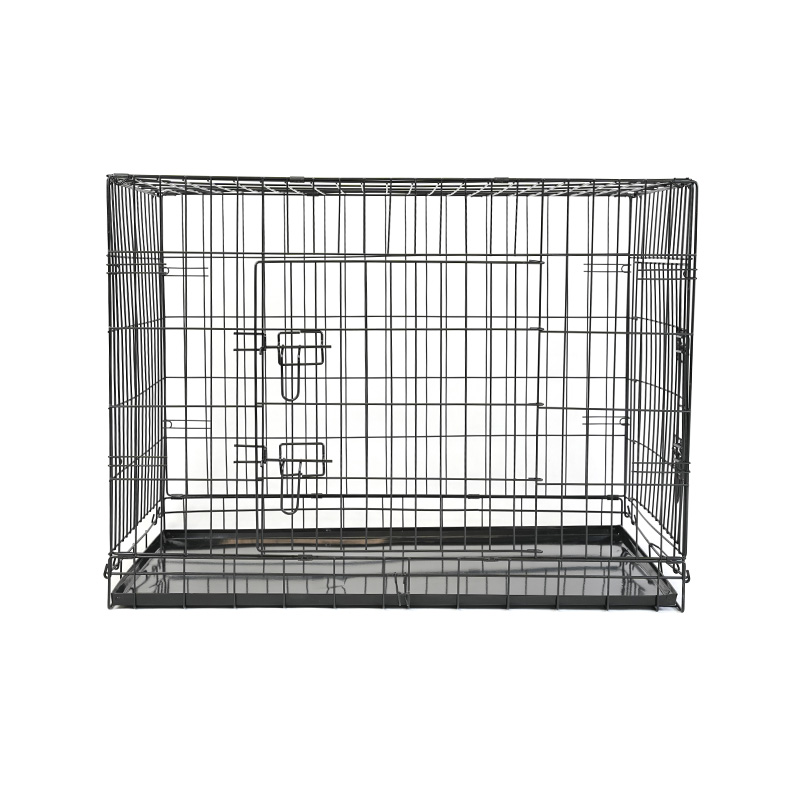
A foldable dog cage is a type of pet enclosure specifically engineered for easy assembly and disassembly without the need for tools. Unlike traditional one-piece welded crates, its frame is constructed with interconnected panels or a scissor-style mechanism that allows it to collapse into a fraction of its assembled size. The typical design involves a sturdy metal frame (often coated steel or lightweight alloy) and mesh panels, which may be made from durable, coated wire or heavy-duty fabric. The core innovation lies in its hinges and locking pins, which are designed to be both secure when set up and effortless to release for folding. This fundamental design principle unlocks its primary advantages: it saves significant storage space when not in use, dramatically simplifies transportation, and offers unparalleled flexibility for pet owners who are not seeking a permanent fixture in their living area. The market has evolved to include various sophisticated models catering to specific needs, from basic home use to specialized travel solutions.
- Core Mechanism: Utilizes a collapsible frame via scissor-action or panel folding, secured by locking pins or clips.
- Primary Materials: Features a combination of a high-tensile strength metal frame and durable, ventilated side panels.
- Key Distinction: Its defining trait is the reversible transformation between a rigid, secure enclosure and a flat, portable package.
Key Features to Consider When Choosing a Foldable Cage
Selecting the right foldable dog cage requires careful evaluation beyond just size. Understanding the key features and how they align with your specific needs—whether for a giant breed, frequent travel, or outdoor use—is crucial for making a satisfactory long-term purchase. The ideal cage should balance security, comfort for your dog, and convenience for you. Key considerations include the structural integrity relative to your dog's size and temperament, the ease of transport and setup, the materials' ability to withstand wear and environmental factors, and any specialized requirements for scenarios like car travel. By systematically assessing these features, you can avoid common pitfalls such as purchasing a cage that is too flimsy, difficult to handle, or unsuitable for your primary use case, ensuring you invest in a product that truly enhances both your life and your pet's well-being.
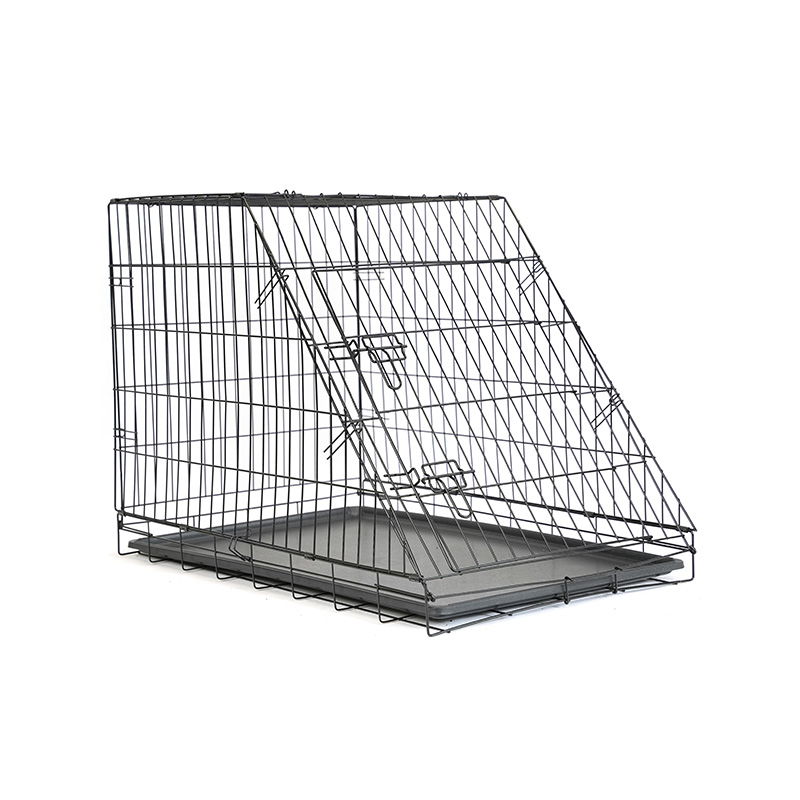
Size and Strength: Ensuring the Perfect Fit
This is the most critical consideration, especially when searching for a foldable dog cage for large dogs. A cage that is too small is inhumane and stressful, while one that is poorly constructed can be dangerous. The correct size allows your dog to stand up without crouching, turn around comfortably, and lie down stretched out. For foldable models, strength is directly tied to the gauge and quality of the metal tubing, the robustness of the welding or joints at folding points, and the stability of the locking mechanism when fully assembled. A cage designed for a powerful, large-breed dog must feature reinforced corners, a thicker gauge steel frame, and a secure double-locking door system to prevent escapes or injuries caused by structural failure.
- Accurate Sizing: Measure your dog's height (from floor to top of head or ears) and length (from nose to base of tail) and add several inches.
- Frame Integrity: Look for descriptions like "heavy-duty," "high-tensile steel," or specific material thickness (e.g., tube diameter).
- Weight Capacity: Always check the manufacturer's stated maximum weight limit and choose one that exceeds your dog's current weight.
| Dog Size Category | Recommended Cage Features | Key Strength Indicators |
| Small (e.g., Chihuahua, Pomeranian) | Lighter gauge frame, smaller mesh size. | Secure latches, stable base to prevent tipping. |
| Medium (e.g., Beagle, Cocker Spaniel) | Moderate steel tubing, reinforced door frame. | Stronger hinge points, reliable locking pins. |
| Large (e.g., Labrador, German Shepherd) | Heavy-duty steel, double-door locks, reinforced corners. | Thickest gauge frame, anti-wobble design, industrial-grade locks. |
Portability and Mobility: For Life on the Go
If your lifestyle involves movement, the portability features become a top priority. A foldable dog cage portable travel model should be relatively lightweight and include carrying handles or, even better, a dedicated storage/carry bag. The folding process itself should be simple and quick, ideally achievable within a minute. For ultimate convenience, especially with heavier cages or for use in settings like vet clinics or dog shows, a foldable dog cage with wheels is a game-changer. These models feature integrated, lockable wheels on one end, allowing you to tilt and roll the cage rather than lift it. This is invaluable for transporting a large dog or moving the cage when loaded with bedding and toys.
- Carrying Aids: Integrated handles, shoulder straps, or included carrying bags significantly enhance portability.
- Folding Mechanism: Test or look for reviews confirming the process is smooth, intuitive, and doesn't require excessive force.
- Wheel Quality: For wheeled models, check for durable, larger wheels that can handle thresholds and lock securely in place.
Durability and Protection: Built to Last
Durability encompasses resistance to wear, corrosion, and the elements. A high-quality cage will have a protective coating on its metal frame, such as an electroplated or powder-coated finish, to prevent rust and chipping. For the panels, the coating on the wire mesh should be chip-resistant. A significant advancement is the waterproof foldable dog cage. This often involves a combination of a rust-resistant frame and panels made from or covered with a waterproof material like a heavy-duty, coated Oxford cloth or polyester. This makes the cage suitable for use in mudrooms, on patios, during rainy travel, or for dogs that may have accidents. It also simplifies cleaning, as you can wipe down surfaces without worrying about water damaging the materials.
- Surface Protection: Powder coating is generally superior to paint for scratch and rust resistance.
- Waterproof Materials: Look for terms like "600D Oxford cloth," "PVC-coated," or "water-resistant fabric" in the description.
- Easy-Clean Design: Removable, wipeable trays or floor liners and panels that don't trap dirt are essential for hygiene.
Specialized Use Cases
Some foldable cages are designed with very specific scenarios in mind. A prime example is a foldable dog cage for car travel. These models prioritize safety and fit within a vehicle. Key features may include a low-profile design to fit under car windows, non-slip pads on the bottom to prevent sliding during transit, and anchor points or straps to secure the cage to the car's seat belt anchors or cargo hooks. This specialized design goes beyond general portability to address the unique safety dynamics of a moving vehicle, ensuring your pet is contained securely in case of sudden stops or turns.
- Vehicle Integration: Designs that contour to SUV or sedan cargo area shapes for a snug, stable fit.
- Safety Securing: Built-in loops or compatibility with standard pet safety straps to anchor the crate.
- Ventilation Optimization: Mesh placement designed for optimal airflow in a confined car space.
FAQ
Are foldable dog cages as secure and sturdy as traditional wire crates?
Yes, high-quality foldable dog cages from reputable manufacturers are engineered to be just as secure and sturdy as traditional welded crates when fully assembled and locked. The key is in the construction: robust metal tubing, reinforced joints at stress points (especially corners and door frames), and reliable, escape-proof locking mechanisms for both the door and the folding pins. For anxious or determined escape artists, opting for a model with a double-latch door and checking user reviews for feedback on sturdiness is crucial. The perception of less security often stems from poorly made, flimsy products, not from the foldable design itself.
How do I clean and maintain a foldable dog cage, especially a waterproof one?
Regular maintenance prolongs the cage's life. For general cleaning, wipe down all surfaces with a mild soap and water solution, then dry thoroughly. Most waterproof foldable dog cage fabrics can be spot-cleaned with pet-safe disinfectants. If the fabric cover is removable, check if it is machine washable. The metal frame should be checked periodically for any chips in the coating; a touch-up with matching pet-safe paint can prevent rust. For the folding mechanisms, a occasional drop of a silicone-based lubricant on hinges and locks will keep them operating smoothly. Always ensure the cage is completely dry before folding it away for storage to prevent mildew.
Can I use a foldable cage for airline travel?
This is highly dependent on the specific airline's regulations. Most major airlines require kennels that are rigid, non-collapsible, and specifically approved for air travel (often meeting IATA guidelines). A standard foldable dog cage portable travel model is typically not approved for use in the cargo hold due to concerns about structural integrity under pressure and shifting loads. However, some very sturdy, airline-specific soft-sided carriers that may have a foldable frame could be allowed in the cabin, provided they fit under the seat. You must always check with your airline well in advance for their precise kennel requirements.
What size foldable cage is appropriate for my growing puppy?
For a growing puppy, it is often recommended to purchase a cage that will fit their estimated adult size, but use a divider panel. Many crates, including some foldable models, come with adjustable dividers. This allows you to section off a portion of the crate that is just large enough for the puppy to stand, turn, and lie down, creating a den-like space that aids in house training. As the puppy grows, you can gradually move the divider back. This approach is more economical and avoids the need to buy multiple cages, ensuring the foldable dog cage remains useful throughout your dog's life.
How do I properly secure a foldable dog cage in my car for safety?
Securing a foldable dog cage for car travel is non-negotiable for pet and passenger safety. First, place the cage in the vehicle's cargo area or on a seat (if allowed). Use the vehicle's existing safety anchors—such as LATCH connectors, seat belt paths, or cargo tie-downs. Thread a rated pet travel safety strap or a heavy-duty cargo strap through the cage's structural frame (not just the mesh) and connect it securely to the vehicle's anchor points. The goal is to minimize any movement in case of sudden stops or collisions. For smaller cages on seats, running the seat belt through the frame and buckling it is a minimum requirement.



Nantong Dihang Metal Products Co., Ltd.
Product Center
Contact Us
- +86-15262716185
- [email protected]
- Group 1, Guzhuang Village, Qutang Town, Haian Country, Nantong, Jiangsu, China
Copyright © 2023 Nantong Dihang Metal Products Co., Ltd. All Rights Reserved.
