 Inquiry

 English
 中文简体
中文简体 Deutsch
- Type:
- Industry News
- Date
- 2026-Oct-05
News
Home / News / Industry News / How to Source Pet Cages from China: A Complete Guide for Global Importers
Content
A 2 mm change in wire diameter is invisible on a quotation and obvious on a loading dock. That is why experienced importers treat how to source pet cages from China as a specification exercise first and a price negotiation second.
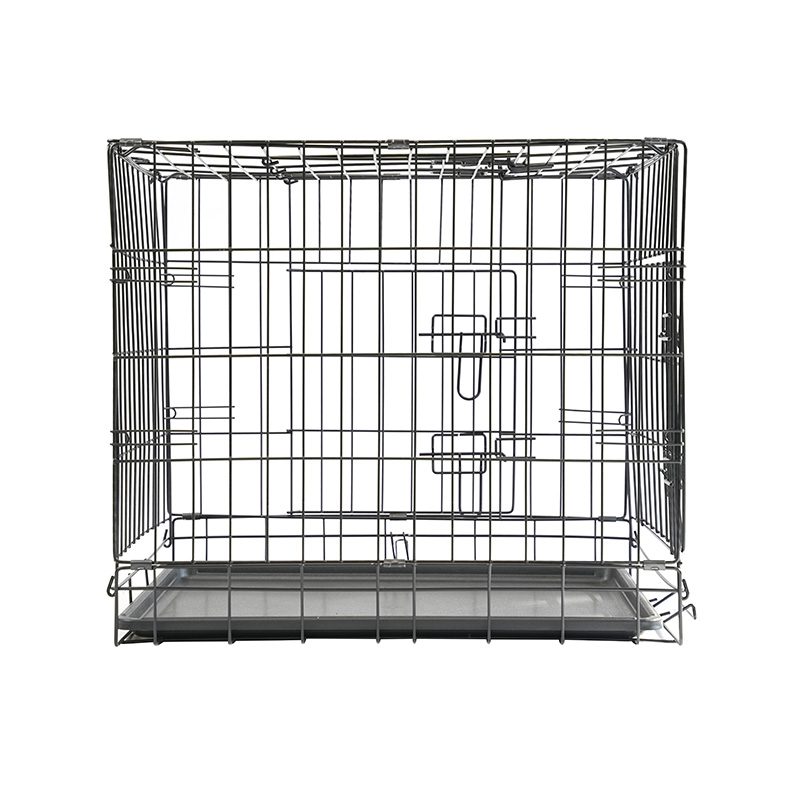
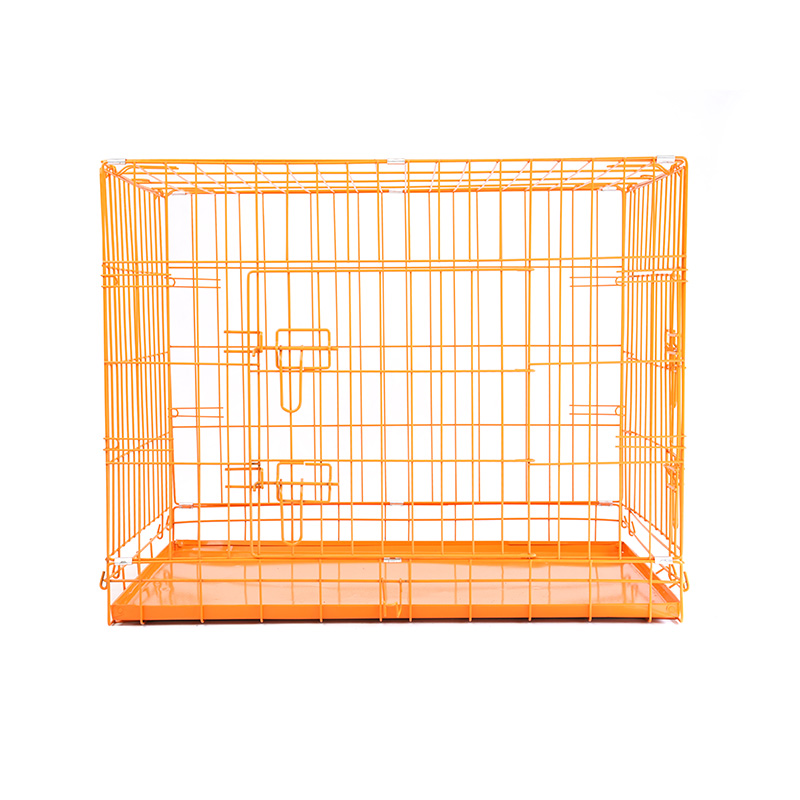
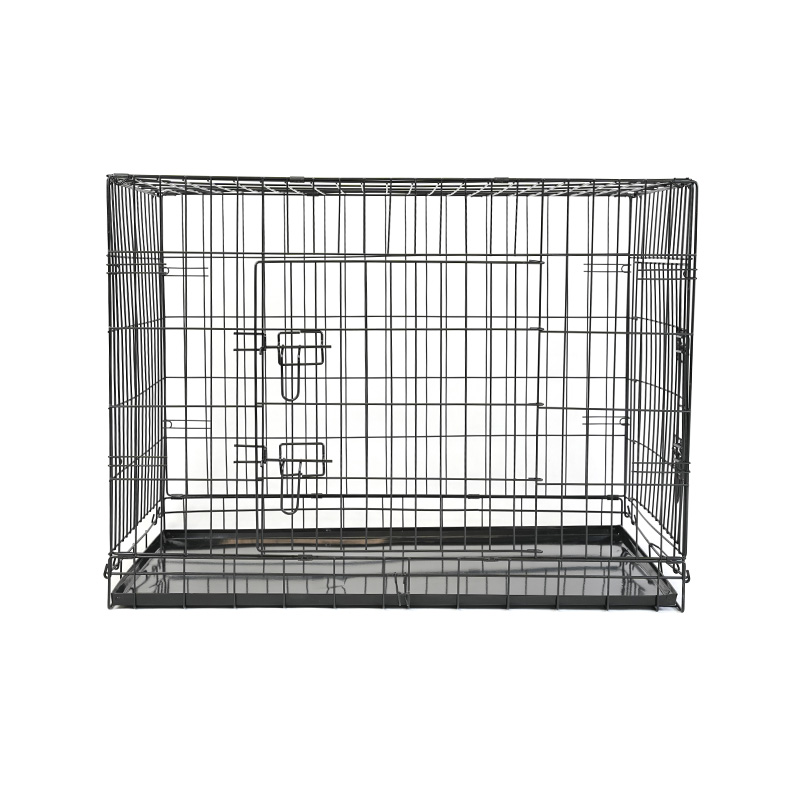
Nantong Dihang Metal Products Co., Ltd., a pet cage and pet playpen manufacturer based in Nantong, Jiangsu, lists more than 100 cage and playpen models across metal, heavy duty and inclined categories. That breadth is typical of the region, and so is the catch: two factories can both quote a 42 inch heavy duty dog crate and ship you two entirely different products.
The gap between those two products is where sourcing budgets disappear. The sequence below is what keeps a first order and a fifth order identical.
Write a locked specification sheet before you ask for a single price. Exporters quote exactly what you describe, and a short enquiry is read as a request for the cheapest defensible version of the product, which is a legitimate answer but rarely the one you wanted.
A pet cage specification sheet is one page that fixes every variable a factory can change without telling you. It is not a purchase order and it is not a technical drawing. It is the baseline you compare samples, invoices and complaint photos against for the next three years.
| Wire diameter | 2.0 to 4.0 mm | Thinner wire cuts cost and chew resistance. A 0.4 mm reduction visibly softens panel rigidity. |
| Mesh aperture | 25 to 45 mm | Must be sized to paw and muzzle width. Too wide for small breeds, too narrow adds weight and freight. |
| Frame tube section | 12 x 12 mm to 25 x 25 mm square tube | The single biggest lever on any heavy duty claim, and the first thing quietly reduced on a counter offer. |
| Surface finish | Powder coating 60 to 90 microns, or hot dip galvanising | Coating thickness decides salt spray life. Colour is decorative, thickness is structural protection. |
| Tray material | ABS, polypropylene or galvanised iron | ABS resists cracking in cold warehouses. Iron trays survive determined chewing but add weight. |
| Door and latch design | Single bolt, double bolt, or double door | Most escape and injury reports trace back to latch design, not to panel strength. |
| Master carton | Five layer corrugated, drop tested | Carton grade decides damage rate inside a container far more than the cage itself does. |
A locked specification sheet is a versioned document listing every parameter a factory can alter without renegotiating price, including wire gauge, aperture, tube section, coating thickness, tray polymer, latch type, carton dimensions and carton grade. Anything not on the sheet is negotiable by default.
Run the process as a fixed sequence and never skip a gate to save two weeks. Buyers who compress steps three and six are the ones who receive a container and discover the tray thickness changed.
Freight, duty and clearance together now carry more of the landing cost than the factory margin on most metal pet cage lines, so folding geometry belongs in your product decision rather than your logistics decision.
A foldable crate that collapses flat packs into a carton roughly a third smaller than a rigid unit of the same internal volume. Across a full container load that difference moves you from one price band to the next, which is why folding designs keep winning on landed cost even when their ex works price is higher.
Minimum order quantities follow the same logic. Stock metal pet cage models in Jiangsu typically open at 200 to 500 units per model with mixed cartons in one container. Custom sizes, new jigs or dedicated powder coating colours usually start at 500 to 1,000 units per model before the tooling amortisation makes sense.
Three failure modes generate almost every warranty claim on metal pet cages: weld fractures at panel corners, coating breakdown, and latch failure. Test for those three and you have covered the majority of your return risk.
The specification decisions behind those tests are covered in more detail in this guide to material selection for metal pet cages, which is worth reading before you fix coating thickness or wire grade.
Write pass and fail numbers into the purchase order. A supplier told to deliver good quality will deliver what the line already produces. A supplier told to clear 240 hours of salt spray with no red rust has to change the pre treatment line.
OEM pays back when your volume covers tooling and your design either shrinks carton volume or moves the product into a higher retail price point. Below that threshold, private label packaging on a stock model is the better trade.
A supplier that already runs an inclined pet cage range and a heavy duty playpen line can usually adapt existing jigs instead of cutting new ones, which shortens both the sampling cycle and the payback period. Ask directly which tooling exists today and which has to be made for your order.
For stock metal pet cage and pet playpen models, 200 to 500 units per model and size is a normal starting point, and mixed cartons in one container are standard. Custom OEM programmes with new tooling generally begin at 500 to 1,000 units per model before unit economics work.
Expect 7 to 12 days for a sample under normal conditions, 25 to 40 days for bulk production after the pre-production sample is approved, and a further 25 to 35 days of ocean transit to Europe or North America. Add two weeks around Chinese New Year, when factories close for roughly three weeks.
Ask for a live video walkthrough showing the wire straightening and welding line, the powder coating booth and the packing area. Match the factory address on the business licence against the address on the shipping documents, and ask which processes are outsourced. A trader will hesitate on all three.
Pre-shipment inspection against the specification sheet with AQL sampling, a salt spray report for the coating batch, a carton drop test, and a packing list that states carton dimensions and gross weight so you can verify container utilisation before booking.