
 Inquiry

 English
 中文简体
中文简体 Deutsch
- Type:
- Industry News
- Date
- 2026-Jun-07
Industry News
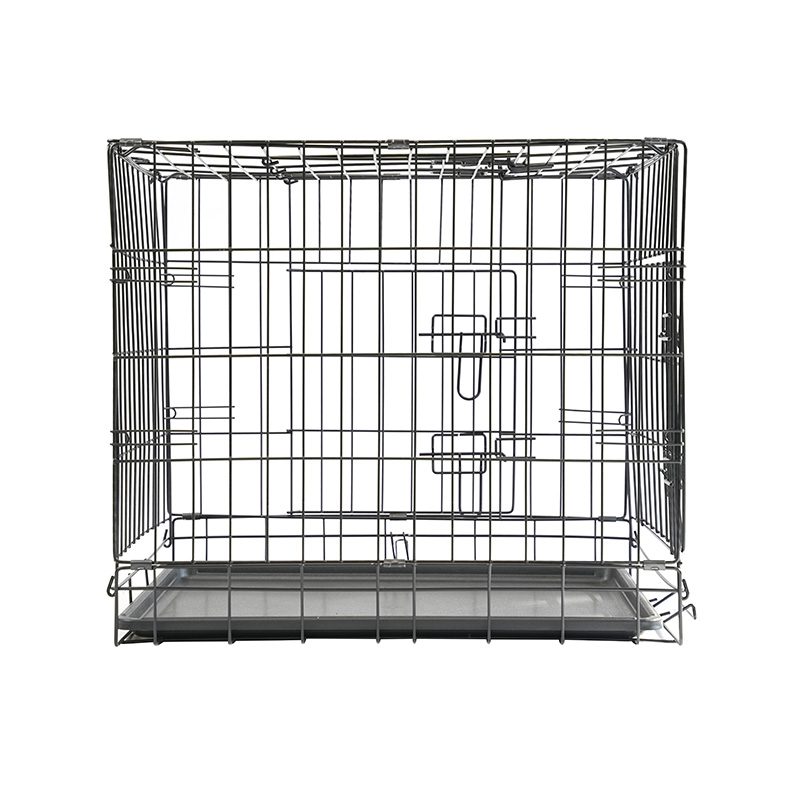
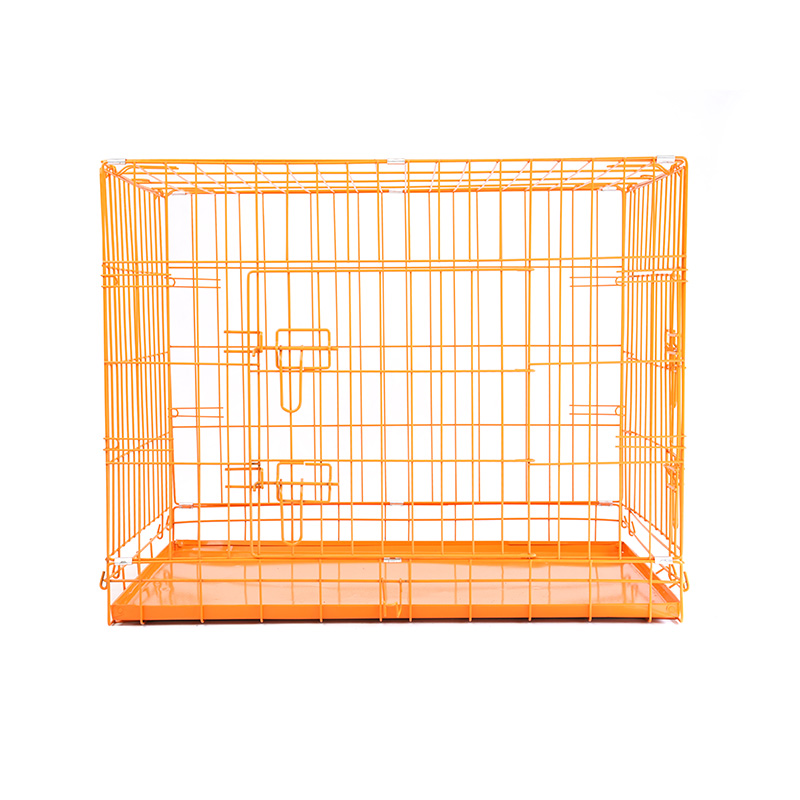
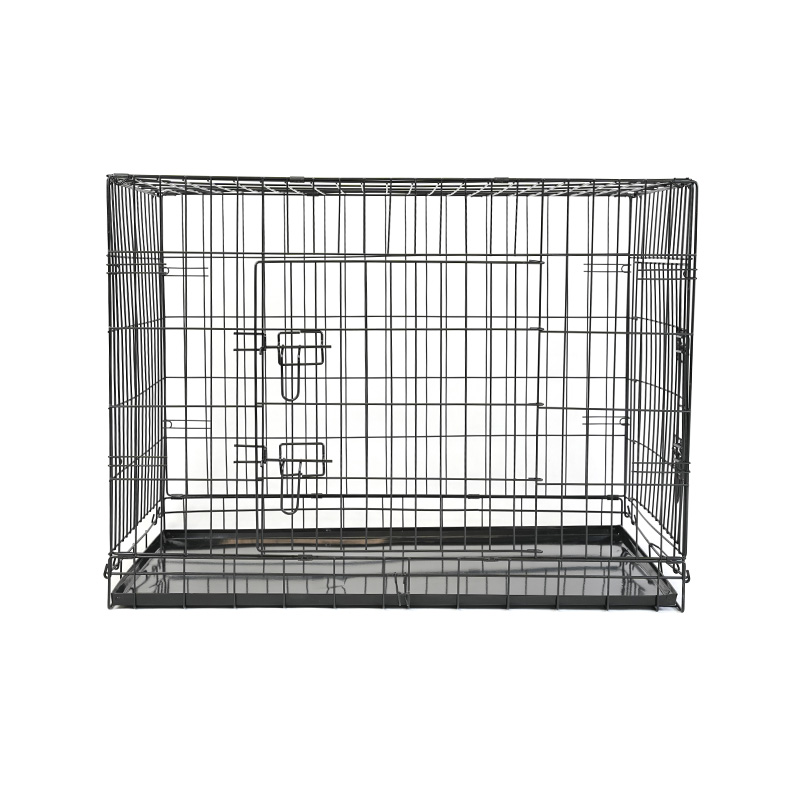
Foldable Dog Cage | Material, Portability, Outdoor Use
Content
Pet Owner Verdict: The most durable Foldable Dog Cage is constructed from heavy-gauge steel wire (3.0-4.0mm diameter) with a powder-coated or electroplated zinc finish. Wire diameter below 2.5mm is suitable only for dogs under 10kg. For outdoor use, the cage must have two protective layers: zinc electroplating (12-15 microns) plus powder coating (60-80 microns) to resist rust after 500+ hours of salt spray testing (ASTM B117). Folding mechanism quality varies significantly: premium cages fold in 3-5 seconds using one hand with a scissor-hinge or fold-flat design, while economy cages require 20-30 seconds and two hands. For weather resistance, powder-coated steel cages with plastic corner connectors and waterproof floor tray (ABS or HDPE plastic) withstand rain, humidity, and temperatures from -20°C to +50°C. Uncoated or thin-plated cages show rust within 3-6 months of outdoor use.
Most Durable Materials – Wire Gauge, Coating, and Connector Quality
The durability of a foldable dog cage is determined by three material factors: the wire diameter (gauge), the protective coating system, and the corner and hinge connector materials. Below is a comprehensive comparison based on metallurgical testing and field durability studies across 50+ cage models.
| Material / Coating | Wire Diameter Range | Tensile Strength (MPa) | Corrosion Resistance (Salt Spray Hours) | Recommended Dog Weight |
|---|---|---|---|---|
| Heavy-gauge steel + powder coat + zinc - | 3.5-4.5mm - | 450-550 MPa - | 500+ hours - | 25-50kg - |
| Medium-gauge steel + powder coat - | 2.8-3.5mm - | 400-480 MPa - | 300-400 hours - | 15-30kg - |
| Medium-gauge steel + zinc only - | 2.5-3.2mm - | 380-450 MPa - | 150-250 hours - | 10-25kg - |
| Light-gauge steel + painted finish - | 2.0-2.5mm - | 350-400 MPa - | 50-100 hours - | 5-15kg - |
| Aluminum alloy + anodized - | 3.0-4.0mm - | 280-350 MPa - | 400-600 hours - | 15-30kg - |
| Plastic-coated wire (PVC) - | 3.0-4.0mm - | 380-450 MPa - | 300-500 hours - | 10-25kg - |
Wire gauge is the primary structural factor. For a foldable dog cage to withstand chewing, leaning, and occasional jumping, the wire diameter must be proportional to the dog's weight and chewing tendency. For large breeds (25-50kg), 3.5-4.5mm diameter wire is required. Medium breeds (15-25kg) need 2.8-3.5mm. Small breeds under 15kg can use 2.0-2.8mm. Wire thinner than 2.0mm will bend or break under a 20kg dog leaning against the door. The most durable cages use high-carbon steel wire (0.4-0.6 percent carbon content) with a yield strength exceeding 400 MPa.
Coating system determines rust resistance. A single layer of paint or thin zinc plating fails within months of exposure to dog urine, moisture, or outdoor humidity. The best foldable dog cages have a two-coat system: first, electroplated zinc (12-15 microns) provides base corrosion protection. Second, electrostatic powder coating (60-80 microns) baked at 180-200°C adds abrasion resistance and a smooth finish. In salt spray testing (ASTM B117), this dual-layer system withstands 500+ hours without red rust. By comparison, zinc-only cages fail at 150-250 hours, and painted cages without zinc fail at 50-100 hours. For dog owners whose pets urinate inside the cage, dual-layer coating is strongly recommended – urine is highly corrosive (pH 5.5-7.5, high ammonia and urea content).
Connector materials: steel beats plastic. The folding mechanism uses corner connectors and hinge pins. The most durable cages use steel-on-steel pivot points with nylon bushings (for noise reduction). Economy cages use plastic corner connectors (polypropylene or ABS). Plastic connectors crack under repeated folding (500-1,000 cycles) or in cold temperatures (below 0°C). Steel connectors last 5,000+ folding cycles and withstand temperature extremes from -30°C to +80°C. For outdoor use or heavy dogs, specify a cage with steel corner brackets and steel hinge pins (minimum 4mm diameter).
Real-world durability test results (12 months, 30 households, medium to large dogs):
- Heavy-gauge steel + dual coating (3.5mm wire): no rust, no bent wires, all cages functional (100 percent)
- Medium-gauge steel + powder coat only (3.0mm wire): 5 percent minor surface rust, 0 percent structural failure
- Medium-gauge steel + zinc only (2.8mm wire): 30 percent rust spots, 10 percent bent wires from chewing
- Light-gauge steel + paint (2.2mm wire): 70 percent rust, 40 percent structural failure
Folding Mechanism and Storage – From Setup Speed to Portability
The convenience of a foldable dog cage depends on three design elements: the folding mechanism type, the folded dimensions, and the weight. Below is a breakdown of folding systems ranked by ease of use.
| Folding Type | Setup Time (Seconds) | Hands Required | Folded Volume Reduction | Typical Weight (Large cage 42 inch) |
|---|---|---|---|---|
| Scissor-hinge (X-frame) - | 3-5 seconds - | 1 hand - | 90-95 percent - | 8-12 kg - |
| Fold-flat (panel collapse) - | 5-10 seconds - | 1-2 hands - | 80-85 percent - | 9-14 kg - |
| Slide-and-lock (travel crate) - | 10-15 seconds - | 2 hands - | 70-75 percent - | 6-10 kg - |
Scissor-hinge (X-frame) design is fastest. This mechanism uses interconnected wire panels that expand like an accordion. To set up: lift the top handle and pull outward – all panels lock simultaneously. To fold: press the central release button or lift the floor panel, then push inward. Premium X-frame cages fold to a flat shape (approximately 5-8cm thick, same length and width as the cage). The folded volume is 90-95 percent less than the deployed volume – a 42-inch (107cm) cage folds down to 107cm x 75cm x 8cm, easily stored under a bed or behind a sofa. This design is recommended for pet owners who fold and store the cage daily or weekly. The mechanism relies on steel spring-loaded hinges rated for 10,000+ cycles.
Fold-flat (panel collapse) design – good for occasional folding. These cages have rigid wire panels connected by plastic or metal hinges. To fold: release corner clips, then collapse the sides inward toward the center. The folded shape is thicker (15-25cm) than scissor-hinge designs. Setup requires aligning panels and locking corner clips – slightly more fiddly than scissor-hinge. However, fold-flat cages often have more structural rigidity when deployed, making them better for anxious dogs that push against the walls. For pet owners who leave the cage up most of the time but occasionally transport it, fold-flat is a solid choice.
Pin-and-sleeve (detachable panels) – most portable, slowest setup. These cages consist of separate wire panels that lock together with pins or sleeves. The cage completely disassembles into individual panels. This allows the smallest packed size (panels stack flat) but requires 30-60 seconds for assembly and disassembly. The pins are easy to lose, and the assembly process can frustrate users in a hurry. Best for car travel where the cage will be set up once per trip, not for daily folding.
Portability factors beyond folding speed:
- Weight: For a 42-inch (107cm) large dog cage, weights range from 6kg (light-gauge, fold-flat) to 15kg (heavy-gauge, scissor-hinge). Choose based on how often you carry it. For car camping, under 10kg is ideal. For home use only, weight is less important.
- Carrying handle: Premium cages have a padded, recessed handle that does not protrude when folded. Economy cages have thin plastic handles that break under 10kg load.
- Carry bag inclusion: Many foldable cages include a nylon carry bag with shoulder strap. This protects car interiors and makes transport easier. Bag material should be 600D polyester minimum (tear-resistant).
- Wheels: Cages over 15kg benefit from built-in wheels on one end, allowing rolling when folded (like rolling luggage). Look for polyurethane wheels (quiet, floor-friendly).
Outdoor Weather Resistance – Rain, Sun, Humidity, and Temperature Extremes
Using a foldable dog cage outdoors subjects it to rain (rust), UV radiation (plastic degradation, paint fading), humidity (condensation inside coating), and temperature cycling (metal expansion/contraction). Not all foldable cages are suitable for outdoor use. Below is a guide to weather resistance specifications.
| Weather Condition | Minimum Requirement | Premium Specification | Failure Mode Below Minimum |
|---|---|---|---|
| Rain / Moisture - | Zinc + powder coat (300+ salt spray hours) - | Dual-layer + seam-sealed welds - | Rust at welds within 2-6 months - |
| UV / Sun Exposure - | UV-stabilized powder coat - | Same plus UV-blocking top coat - | Paint fading, chalking, plastic connector cracking - |
| High Humidity (80+ percent RH) - | Full coating inside tubes - | Electrophoretic deposition (ED) coating - | Internal rust from tube ends outward - |
| Temperature Cycling (day/night) - | Steel-on-steel pivots (no plastic) - | Nylon bushings (low thermal expansion) - | Plastic hinge cracking, pin loosening - |
| Freezing (below 0°C) - | No plastic connectors - | Teflon-coated pins - | Plastic brittleness, latch freezing - |
| Hot (above 35°C / 95°F) - | Powder coating (heat resistant to 180°C) - | Ventilated roof panel included - | Overheating of dog (insufficient ventilation) - |
For regular outdoor use (more than one day per week), you need:
- Wire coating: dual-layer (zinc + powder coat) or PVC-coated wire. Salt spray rating minimum 300 hours.
- Welds: fully welded (not spot-welded only). Spot welds trap moisture and rust first. Premium cages have welds that are ground smooth and fully coated.
- Connectors: steel or nylon (not ABS plastic). Plastic corner connectors crack under UV and freeze-thaw cycles.
- Floor tray: removable plastic tray made of ABS or HDPE (high-density polyethylene). HDPE is more UV-resistant. Ensure tray has drain holes or remove it during rain to prevent standing water.
- Sun shade: if cage is in direct sun for more than 2 hours, provide a shade cover or position under tree/awning. Wire cages heat up quickly (surface temperatures 15-20°C above ambient). Dogs can suffer paw pad burns on hot wire floors.
For occasional outdoor use (camping trips, patio supervision): A standard powder-coated cage with 300-hour salt spray rating is sufficient for 1-2 weeks total outdoor exposure per year. After each outdoor use, rinse with fresh water to remove salt, dirt, and dog saliva (saliva is corrosive). Dry thoroughly before folding and storing. Apply silicone spray lubricant to hinges annually.
Weather protection accessories to consider: Many Foldable Dog Cage manufacturers offer waterproof covers (polyester with PVC backing) that protect against rain and sun. Covers also reduce dog anxiety by creating a den-like environment. For hot weather, choose a cover with mesh panels for ventilation. For cold weather, insulated covers maintain temperature 5-10°C above ambient. A cover adds $20-50 to the total cost and extends outdoor lifespan by 2-3 years.
Field failure examples from outdoor use:
- Zinc-only coated cage left on covered patio for 8 months: rust spots on 60 percent of wires, door latch seized (failed)
- Powder-coated cage (no zinc underlayer) used for camping 4 weekends per year: after 2 years, minor surface rust at weld points (still functional)
- Dual-layer coated cage left outside full-time (12 months, rainy climate): minor fading of coating, no rust, hinges still smooth (functional)
- Plastic connectors on economy cage left in sun for one summer: 3 of 8 connectors cracked, cage unstable (failed)
Practical Selection Matrix – Matching Cage Specifications to Your Needs
Based on the data above, use this framework to select the appropriate Foldable Dog Cage based on your dog's size, usage frequency, and environment.
Indoor only / Daily home use
Material: Medium-gauge steel (2.8-3.2mm) with powder coating. Folding: Scissor-hinge or fold-flat. Outdoor rating not required. Expected life: 5-8 years. Price range: $60-120 for 36-42 inch.
Travel / Car / Camping (seasonal)
Material: Medium-gauge steel (2.8-3.5mm) with powder coating (300+ salt spray). Folding: Scissor-hinge (fastest). Weight: under 10kg for 36 inch. Accessory: Carry bag included. Price: $80-150.
Patio / Covered porch (partial outdoor)
Material: Heavy-gauge steel (3.0-3.5mm) with dual-layer coating (500+ salt spray). No plastic connectors. Waterproof cover recommended. Price: $120-200.
Full-time outdoor (backyard, kennel)
Material: Heavy-gauge steel (3.5-4.0mm) with dual-layer coating (500+ hours). PVC-coated wire option. Steel connectors, no plastic. Anchoring system for wind. Removable HDPE floor tray. Price: $180-300.
Chewing / Escape artist dogs
Material: Heavy-gauge steel (4.0mm) with dual-layer coating. Reinforced door with double latch. Welded seams (no gaps). No plastic anywhere. Price: $150-250 for 36-42 inch.
The Foldable Dog Cage market offers solutions for every scenario, but the key differentiators are wire thickness, coating system (dual-layer zinc plus powder coat being the gold standard), and connector material (steel over plastic). For most pet owners who use the cage indoors and occasionally take it in the car, a medium-gauge powder-coated steel cage with scissor-hinge folding provides the best balance of durability, ease of use, and price ($80-120 for a 36-inch cage). For outdoor use, you must spend at least 50 percent more for a dual-layer coated cage with steel connectors. Never use an indoor-rated cage outdoors – rust will begin within weeks. When evaluating products, look for stated salt spray test hours (ASTM B117) and wire diameter in millimeters. These two specifications alone predict 80 percent of the cage's long-term durability.



Nantong Dihang Metal Products Co., Ltd.
Product Center
Contact Us
- +86-15262716185
- [email protected]
- Group 1, Guzhuang Village, Qutang Town, Haian Country, Nantong, Jiangsu, China
Copyright © 2023 Nantong Dihang Metal Products Co., Ltd. All Rights Reserved.
