 Inquiry

 English
 中文简体
中文简体 Deutsch
- Type:
- Industry News
- Date
- 2025-Jan-30
News
Home / News / Industry News / Selection and consideration of bite-resistant materials when designing a custom pet game fence for rabbits
1. Rabbit biting behavior and its risks
It is part of rabbits' nature to bite. They keep their teeth worn down by biting, and because rabbits' teeth are constantly growing, biting can help prevent their teeth from growing too long. Rabbits often bite parts of the fence when they are in it, especially fences made of wood or plastic. This behavior can lead to some potential dangers if the fence is made of fragile or toxic materials. Rabbits may ingest harmful substances by biting through plastic or paint, or they may escape or even encounter greater dangers after biting the fence.
When designing a custom pet game fence, you must use materials that can withstand the bite force of rabbits and ensure that these materials do not pose a threat to rabbits.
2. Selection criteria for bite-resistant materials
When selecting bite-resistant materials, in addition to considering the durability of the material itself, you should also pay attention to the following key criteria:
2.1 Safety
Rabbitses are very sensitive animals, and the bite-resistant materials used must ensure that they are not toxic to rabbits. Some wood surfaces may be coated with harmful chemical coatings, or some plastic materials may contain toxic substances. These substances may enter the rabbit's body through chewing, causing health problems. All fence materials must be non-toxic and meet animal safety standards.
2.2 Bite resistance
In order to ensure that the fence can withstand the constant biting behavior of rabbits, the material needs to have a high bite resistance. Although rabbits' bite force is not as strong as that of dogs or wolves, they can still bite wood, plastic and some soft metal materials. Choosing wear-resistant and strong materials is the key to preventing rabbits from chewing fences.
2.3 Weather resistance
If the fence needs to be placed outdoors, the bite-resistant material also needs to have good weather resistance. Wood may rot in a humid environment, and some plastic materials may become brittle or fade in the sun. Bite-resistant materials must not only be bite-resistant, but also have certain waterproof, UV-resistant and weather-resistant functions.
2.4 Maintenance convenience
Although bite-resistant materials need to be strong, they still need to be easy to clean and maintain. Rabbits may leave hair, food residues and excrement when living in the fence. Bite-resistant materials should be easy to clean and not easy to breed bacteria or mold.
3. Common anti-bite materials and their advantages and disadvantages
When designing a custom pet fence for rabbits, the following are several commonly used anti-bite materials, each of which has different characteristics and applicability.
3.1 Steel mesh
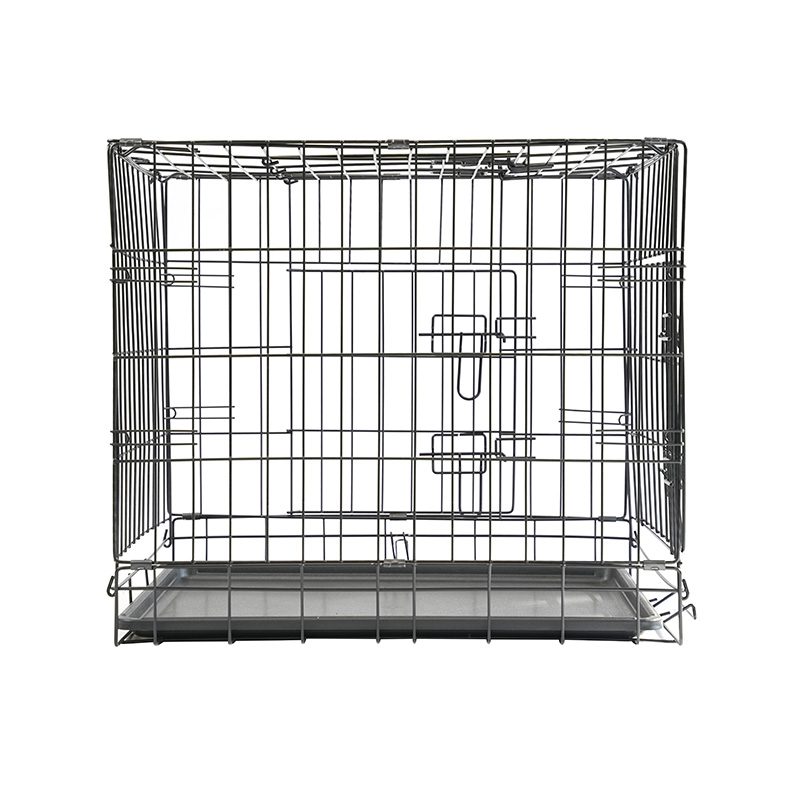
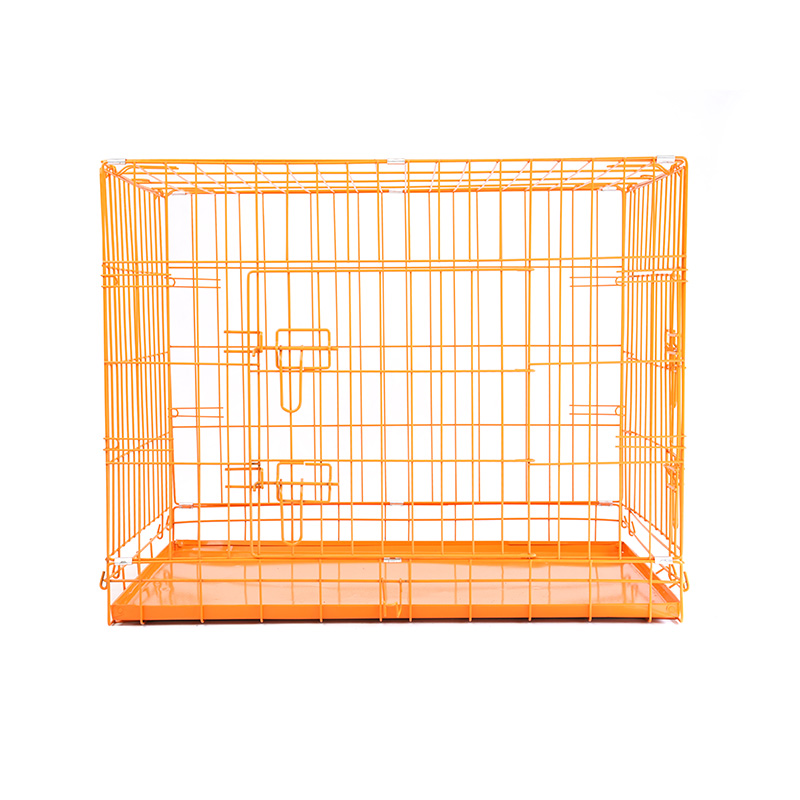
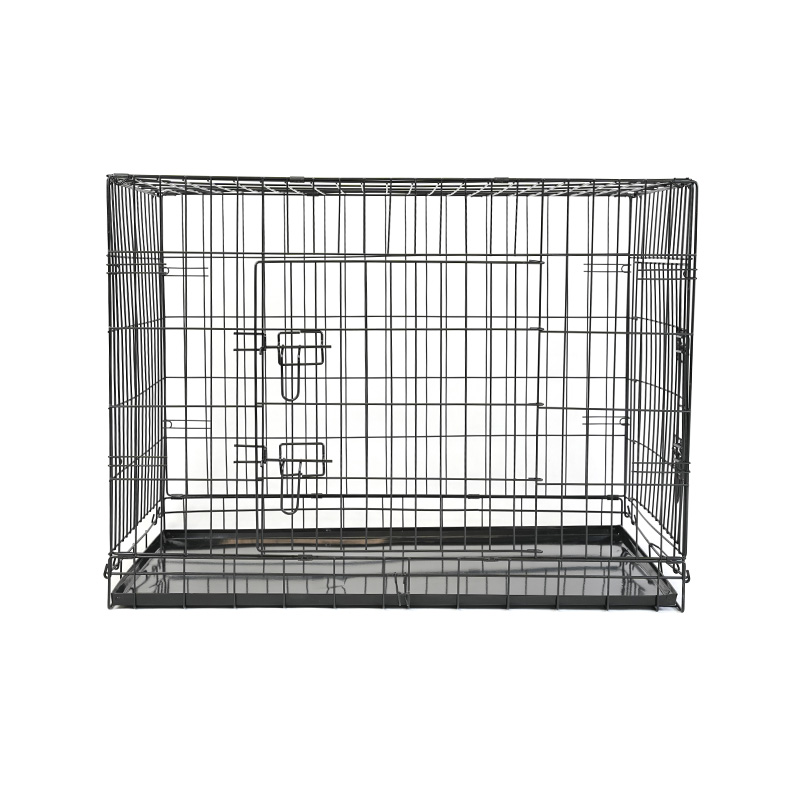
Steel mesh is a common anti-bite fence material. Steel mesh fences are not only highly anti-bite, but also very durable. Steel mesh has sufficient hardness and strength, and rabbits can hardly bite them. Steel mesh also has good air permeability and light transmittance, which can provide a comfortable environment for rabbits. Steel mesh is also very corrosion-resistant, especially when galvanized or stainless steel materials are used, which can effectively resist the erosion of weather.
Advantages:
High durability, not easy to be bitten by rabbits.
High strength, rabbits are not easy to escape.
Easy to clean, suitable for outdoor use.
Disadvantages:
May be hard, and the contact between rabbits and the fence may not be gentle enough.
Requires installation and is not easy to move.
3.2 PVC or plastic material
PVC or plastic material is another commonly used fence material, usually designed in the form of a grid or fence. Although these materials are usually soft, many manufacturers use specially reinforced plastics to prevent rabbits from chewing them. These materials do not contain toxic substances and have good bite resistance.
Advantages:
Relatively light and suitable for indoor and outdoor use.
Not easily affected by weather.
Flexible design, can be made into fences of different shapes and sizes.
Disadvantages:
May wear and tear over time, especially with high biting frequency.
Not as durable as metal materials and may be damaged by rabbits.
3.3 Wire Mesh
Similar to steel mesh, wire mesh is also a common choice. Wire mesh is usually thin, but strong enough to effectively resist rabbit bites. Compared with steel mesh, wire mesh is lighter and easier to install.
Advantages:
Lower cost and lighter than steel mesh.
Strong enough to not be easily bitten.
Disadvantages:
Susceptible to rust, especially in wet environments.
May need additional protection to avoid sharp wire ends that can injure rabbits.
3.4 Wood (special treatment required)
Although wood is not completely bite-resistant, if you need to use wood as a fence material, you can choose hardwood and treat it specially to enhance its bite resistance. Using heat-treated wood or applying anti-corrosion paint can help improve its bite resistance and durability.
Advantages:
Beautiful and can blend into the indoor or garden environment.
Natural material, friendly to the environment.
Disadvantages:
Easily gnawed by rabbits, especially untreated wood.
Requires regular maintenance, such as painting or anti-corrosion treatment.